
How to Choose a Cat Bed Your Cat Might Actually Use
A GoodCat guide to finding a cozy resting spot that fits your cat’s habits, your home, and real life with cats.
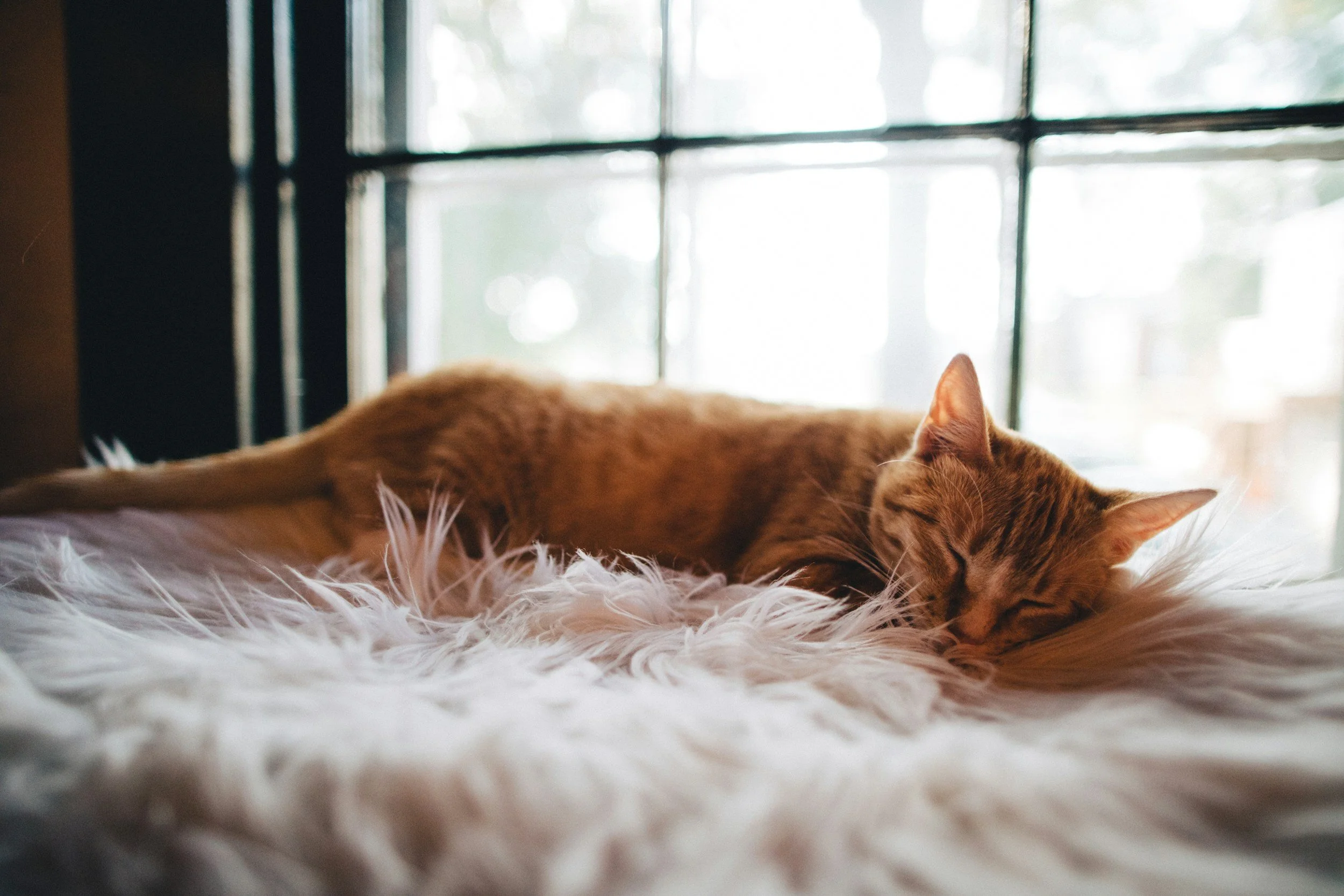
Buying a cat bed can be a hopeful little act.
You imagine your cat curled sweetly in the soft new bed, looking cozy and grateful. You place it in the perfect spot. You step back. You wait.
And then your cat sleeps in the cardboard box it came in.
This is not unusual. Cats are particular creatures. They choose resting spots based on warmth, safety, scent, texture, height, privacy, routine, and mysterious personal standards known only to them.
The good news is that you can improve your chances. A cat bed your cat might actually use is not necessarily the fanciest one. It is the one that fits the way your cat already likes to rest.
In this guide
Why cats ignore some beds
How to notice your cat’s sleeping style
Different types of cat beds
Where to place a cat bed
Beds for kittens, seniors, shy cats, and large cats
Washability and practical details
How to make a new bed more inviting
1. Start by watching where your cat already sleeps
Before choosing a bed, notice your cat’s current favorite spots.
Do they sleep:
in sunny windows?
on the sofa?
under the bed?
on your laundry?
inside boxes?
high on furniture?
tucked into corners?
on cool floors?
pressed against pillows?
near you, but not touching you?
Your cat’s choices are clues.
A cat who loves sleeping under chairs may like a covered or semi-hidden bed. A cat who stretches across the sofa may prefer a flat mat or cushion. A cat who curls tightly may like a round bed with soft sides. A cat who loves the windowsill may use a perch-style bed more than a floor bed.
The goal is not to change your cat’s personality. The goal is to offer a better version of what they already enjoy.
GoodCat Tip
The best cat bed usually starts with the place your cat already chose.
2. Notice how your cat likes to sleep
Cats have sleeping styles, and bed shape matters.
Some cats curl into tiny circles. Some stretch out dramatically like they pay the mortgage. Some tuck their paws under their bodies. Some burrow. Some lean against something. Some sleep half-hidden with one eye on the room.
Common sleeping styles:
curled up tight
stretched out long
leaning against a cushion or armrest
tucked into a covered space
perched high
half-hidden under furniture
sleeping in sunbeams
sleeping near people
For a cat who curls, a round bed with soft sides may feel comforting. For a cat who sprawls, choose a larger flat bed or mat. For a cat who hides, try a cave-style bed, covered bed, or box with a soft blanket. For a cat who loves height, consider a window perch, cat tree platform, or cushion on a safe bench.
A bed that matches the sleeping style has a much better chance.
3. Choose the bed type by your cat’s habits
There are many cat bed styles, and each works better for some cats than others.
Round bolster beds
These are good for cats who like to curl up, lean against soft sides, or feel gently surrounded.
Flat mats and cushions
These are good for cats who sprawl, senior cats who need easy access, or cats who prefer sleeping on furniture but could use a washable layer.
Cave beds and covered beds
These are good for shy cats, cats who like hiding, cats who enjoy warmth, and cats who prefer privacy.
Window beds and perch cushions
These are good for cats who love sun, bird-watching, and being slightly above the action.
Heated beds or warming pads
These may help some senior cats or cats who love warmth, but choose carefully and follow safety instructions. If your cat has medical issues, ask your veterinarian what is appropriate.
Basket beds
These can look beautiful and cozy, especially with a washable cushion, but make sure they are stable, smooth, and easy for your cat to enter and exit.
GoodCat Tip
Choose the bed for your cat’s favorite way to rest, not just for how cute it looks online.
4. Put the bed in the right place
Even the perfect bed may be ignored if it is in the wrong spot.
Cats usually prefer resting places that feel safe, comfortable, and meaningful. A bed placed in a cold hallway or busy walkway may not feel appealing, even if the bed itself is lovely.
Good places to try:
near a sunny window
beside your favorite chair
in a quiet bedroom corner
on or near a familiar sofa
near a desk where you work
in a calm room your cat already likes
slightly off to the side of family activity
on a stable bench or low piece of furniture
Avoid spots that are too noisy, drafty, exposed, or hard to access.
If your cat already naps somewhere every day, try putting the bed nearby rather than across the house.
5. Think about warmth, sunlight, and drafts
Cats are very good at finding warmth.
A bed near a sunny window may be more appealing than the same bed in a dark corner. A soft cushion away from drafts may be more inviting than a bed near a door that opens often. A warm, calm bedroom may be more attractive than a chilly utility room.
Notice seasonal changes too. Your cat may prefer a sunny window bed in winter and a cooler flat mat in summer.
You can make a bed more inviting by placing it where your cat naturally feels comfortable:
sunny but not overheated
warm but safe
quiet but not isolated
soft but stable
protected from drafts
Comfort is partly about the bed and partly about the environment around it.
6. Make access easy
A bed should be easy for your cat to get into and out of.
This is especially important for kittens, senior cats, large cats, disabled cats, and cats with arthritis or mobility changes.
Look for:
low sides
stable bases
non-slip bottoms
enough room to turn around
no awkward high edges
no wobbling
easy stepping access
For a senior cat, a flat washable mat may be better than a deep, plush bed with tall sides. For a kitten, a small cozy bed may feel secure, but make sure they can climb in safely. For a large cat, check the actual measurements before buying.
A bed that is hard to use will not become a favorite.
GoodCat Tip
A cozy bed should not require athletic planning.
7. Choose washable materials
Cat beds collect fur, dust, litter, crumbs, and the mysterious evidence of cat life.
Washability matters.
Look for beds with:
removable covers
machine-washable materials
washable cushions
durable seams
fabrics that do not trap too much fur
colors that hide normal use without looking dirty
If the whole bed cannot be washed, consider adding a washable blanket or towel on top. That way, you can keep the sleeping surface fresh without wrestling the entire bed into the laundry.
A bed that is easy to clean is more likely to stay in your home long-term.
8. Match the bed to your home without forgetting the cat
It is reasonable to want cat things that look nice in your room.
A cat bed may live in your living room, bedroom, office, or kitchen every day. Choosing one that fits your home makes it easier to leave it where your cat actually wants it.
GoodCat-style choices might include:
cream or beige beds
pale blue cushions
sage green blankets
soft gray mats
natural woven baskets
simple shapes
washable quilts
neutral window perch cushions
But appearance should come after function. A beautiful bed that your cat avoids is just a small piece of unused furniture.
The best choice is both: comfortable for your cat and pleasant for you to see.
9. Make a new bed smell familiar
Cats often trust familiar smells.
A brand-new bed may smell like packaging, fabric, a warehouse, or a store. That does not always feel comforting to a cat.
To make the bed more familiar, you can:
place a favorite blanket on or inside it
rub it gently with a towel your cat has used
put it near a place your cat already sleeps
let it air out before offering it
avoid strong detergents or perfumes
give your cat time to investigate without pressure
Do not force your cat into the bed. Let them discover it.
A cat bed should feel like an invitation, not an assignment.
GoodCat Tip
Familiar scent can make a new bed feel less new to a sensitive kitty.
10. Try the “bed near the bed” method
If your cat sleeps on your furniture and you would like to give them their own spot, start close to the place they already love.
For example:
put a cat bed on the sofa corner they use
place a cushion beside your reading chair
add a blanket to their favorite window bench
put a bed near your side of the bed
place a flat mat on the chair they already claimed
Once your cat begins using it, you may be able to shift it slightly over time.
This works better than placing a bed in a random location and hoping your cat will understand your interior design plan.
Cats appreciate convenience.
11. Know when a blanket is enough
Not every cat needs a formal cat bed.
Some cats prefer folded blankets, quilts, towels, or cushions. A washable blanket in a favorite spot can be more successful than an expensive bed.
Blankets are useful because they are:
easy to wash
easy to move
inexpensive
familiar
good for furniture protection
flexible for different seasons
acceptable to many picky cats
If your cat ignores beds but loves blankets, believe them.
A comfort item does not have to be labeled “cat bed” to work beautifully.
12. Beds for shy cats
Shy cats often appreciate privacy.
A covered bed, cave bed, box bed, or bed tucked partly under furniture may feel safer than an open bed in the middle of a room.
For shy cats, choose a bed that allows them to rest while still watching the room. Avoid placing the bed where people have to step over them or reach in too often.
Good options:
covered bed with a wide opening
cardboard box with a soft blanket
bed under a table
soft carrier left open
low basket in a quiet corner
Let hiding be part of comfort. A shy cat who feels safe may become braver over time.
13. Beds for senior cats
Senior cats may need more comfort and easier access.
A senior-friendly bed may be:
low-sided
flat or gently bolstered
warm but not too hot
easy to step into
supportive but soft
placed away from drafts
near favorite human spaces
washable
Some senior cats appreciate warmth, but be careful with heating products. Use only items designed for pets, follow instructions, and consider your cat’s health needs.
If your senior cat suddenly changes sleeping spots, avoids jumping, seems stiff, or has trouble getting comfortable, check with your veterinarian.
Comfort changes can be a clue.
GoodCat Tip
For older cats, easy access can matter as much as softness.
14. Give it time
Some cats use a new bed immediately. Others need days, weeks, or a seasonal shift in sunlight before deciding it is acceptable.
Do not take it personally.
You can encourage gentle interest, but try not to hover. Put the bed in a good spot, make it smell familiar, keep it clean, and let your cat make the final decision.
If they ignore it completely, try moving it. If they still ignore it, try a different shape or texture. If they sleep beside it, that is at least a review.
Cats are honest. Sometimes brutally.
Final thoughts
Choosing a cat bed your cat might actually use begins with respect for the cat in front of you.
Notice where they sleep, how they rest, what textures they like, whether they prefer hiding or watching, and how easily they can climb in and out. Then choose a bed, blanket, cushion, or perch that fits those habits.
A good cat bed does not have to be expensive or perfect. It simply needs to offer comfort in a place your cat trusts.
And if your cat still chooses the box?
Put a blanket in the box.
At GoodCat, we believe the sweetest cat homes are made by paying attention — to the sunny spots, the favorite blankets, the little routines, and the soft places where cats feel safe enough to sleep.
Every cat is a GoodCat.