
What to Buy for a Senior Cat’s Comfort
A gentle GoodCat guide to choosing practical, cozy things that help older cats rest, eat, move, groom, and feel safe at home.
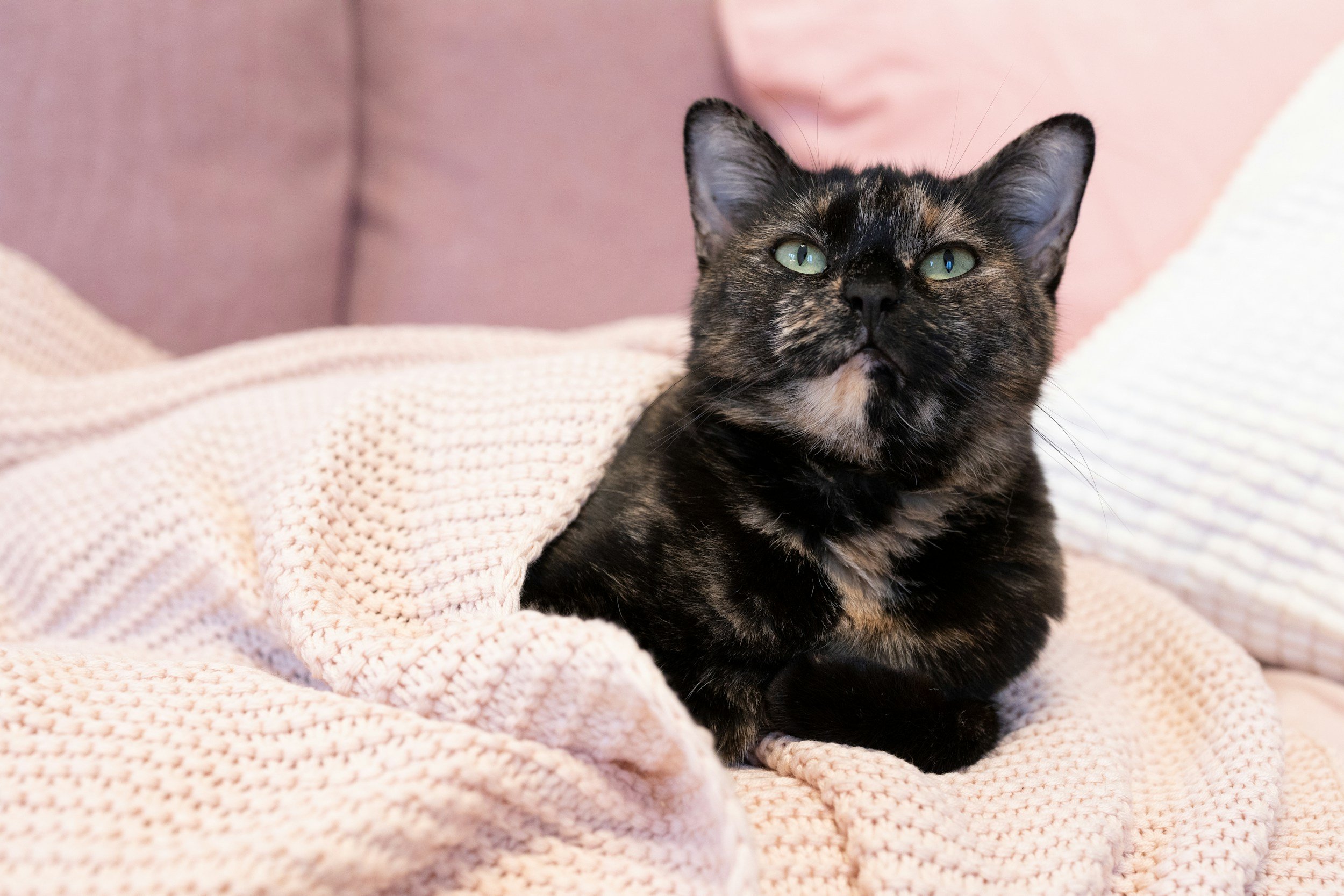
Senior cats are very special cats.
They may move a little more slowly. They may sleep more deeply. They may want warmer spots, softer beds, easier steps, quieter routines, or a little extra help with grooming. They may also become more particular about the things they like, because by now they have earned their opinions.
Aging is not the same for every cat. Some older cats still leap, play, and supervise the household with great authority. Others need more support with comfort, mobility, appetite, litter box access, or daily care.
The best senior-cat items are not about spoiling for the sake of spoiling. They are about making ordinary life easier.
A softer place to sleep. A lower step. A warmer corner. A bowl that is easier to reach. A litter box that does not require athletic planning.
Small changes can make a senior cat’s home feel kinder.
In this guide
Soft beds and warm resting places
Easy-access litter boxes
Bowls and feeding setups for older cats
Steps, ramps, and safer pathways
Grooming tools for senior cats
Comfort items for cats with changing needs
What to ask your veterinarian about
1. Start by noticing what has changed
Before buying anything, watch your cat’s daily routine.
Senior cats often show their needs through small changes. They may stop jumping to a favorite windowsill. They may sleep in lower places. They may hesitate before stepping into the litter box. They may groom less. They may seem stiff after naps. They may eat differently, drink more, or become more vocal.
Ask yourself:
Is my cat avoiding places they used to love?
Are they having trouble jumping up or down?
Are they sleeping more or choosing warmer spots?
Is grooming becoming harder?
Are litter box habits changing?
Are they eating or drinking differently?
Do they seem uncomfortable, confused, or restless?
Comfort items can help, but changes in behavior can also signal pain, illness, dental problems, kidney disease, thyroid issues, arthritis, or other medical concerns. If something changes suddenly or significantly, check with your veterinarian.
GoodCat Tip
A new comfort item can help, but be mindful that a new behavior may also be a health clue.
2. A low, easy bed
Many senior cats appreciate soft resting places, but the bed should be easy to enter and exit.
A tall-sided bed may look cozy, but it may be uncomfortable if your cat has stiff joints, arthritis, weakness, or balance changes. A low-sided bed, flat mat, soft cushion, or folded blanket may work better.
Look for beds that are:
low enough to step into easily
soft but supportive
washable
stable on the floor
not too slippery
large enough for your cat’s preferred sleeping style
placed where your cat already likes to rest
Some senior cats love bolstered sides to lean against. Others prefer a flat blanket because it requires no climbing. Let your cat’s movement and sleeping style guide the choice.
A bed is only comforting if your cat can use it comfortably.
3. Warmth without risk
Older cats often love warmth.
A sunny window, soft blanket, warm room, or pet-safe warming bed can be very soothing. But warmth should be safe and gentle, not hot or risky.
Good options may include:
a blanket in a sunny spot
a self-warming cat mat
a pet-safe heated bed used according to instructions
a warm room away from drafts
a cozy bed near family activity
a soft mat on a favorite chair or bench
Be careful with heating pads not designed for pets, hot water bottles, space heaters, fireplaces, and anything that could overheat, burn, tip, or trap your cat. Senior cats may not always move away quickly if they become too warm.
If your cat has medical issues, ask your veterinarian whether heated products are appropriate.
GoodCat Tip
Warm should mean gentle comfort, not heat your cat cannot safely escape.
4. An easier litter box
Litter box access is one of the most important senior-cat comfort issues.
A box with high sides may become difficult if your cat has arthritis, weakness, or balance problems. A senior cat who struggles to get into the box may start avoiding it, missing the box, or having accidents nearby.
Consider:
a low-entry litter box
a large open box
a box with one lowered side
more than one litter box
a box on the same floor where your cat spends time
a non-slip mat nearby
a quiet, easy-to-reach location
Covered litter boxes and hidden litter cabinets may not be ideal for some senior cats, especially if they feel cramped, dark, hard to enter, or hard to turn around in.
Do not assume accidents are stubbornness. A senior cat who misses the box may be telling you that something is physically hard or medically wrong.
5. Litter box placement that respects aging bodies
Even if the box itself is good, the location may become a problem.
If your cat spends most of the day upstairs, a litter box only in the basement may be too difficult. If stairs are painful, distance matters. If the box is in a noisy laundry room, your cat may avoid it when appliances are running.
For senior cats, think about:
shorter walking distance
fewer stairs
quiet surroundings
good lighting
easy entry and exit
no need to pass a dog or another cat
enough room to turn around
A second litter box may be one of the most helpful things you can add for an older cat.
GoodCat Tip
For senior cats, convenience is not indulgence. It is comfort.
6. Stable bowls and easier feeding setups
Eating should be comfortable.
Some senior cats do well with simple shallow dishes. Others may benefit from a slightly raised bowl if bending down is uncomfortable. Cats with dental issues, nausea, kidney disease, or other conditions may need special feeding routines guided by a veterinarian.
Helpful feeding-area ideas include:
wide, shallow bowls
stable ceramic or stainless steel dishes
non-slip mats
slightly raised dishes, if your cat seems more comfortable that way
fresh water nearby, but not necessarily right next to food
multiple water stations
a quiet feeding location
separate feeding areas in multi-cat homes
If your senior cat is losing weight, eating less, drinking more, vomiting, drooling, dropping food, or acting hungry but not eating well, contact your veterinarian.
Products can make feeding easier, but appetite changes deserve medical attention.
7. Pet steps, ramps, and easier routes
A senior cat may still want to reach favorite places, even if jumping has become harder.
Pet steps, ramps, low benches, ottomans, or carefully arranged furniture can help cats access beds, sofas, windows, or favorite chairs without big jumps.
Good access aids should be:
stable
non-slip
wide enough for your cat
not too steep
placed where your cat actually wants to go
easy to clean
sturdy enough not to wobble
Some cats accept steps quickly. Others need encouragement and time. Try placing steps near a favorite spot and using gentle praise or treats if appropriate.
The goal is to preserve independence while reducing strain.
8. Non-slip surfaces
Slippery floors can be hard for older cats.
Tile, hardwood, and laminate may become more difficult if your cat has arthritis, weakness, or balance changes. A few strategically placed rugs or mats can help your cat feel more secure moving through the house.
Consider adding non-slip surfaces near:
food and water bowls
litter boxes
favorite beds
stairs
jumping-off points
hallways your cat uses often
windows or perches
Make sure rugs do not slide. A sliding rug can be worse than no rug at all.
GoodCat Tip
A steady path can help an older cat move with more confidence.
9. Grooming tools for comfort
Some senior cats groom less effectively than they used to.
They may have trouble reaching their back, hips, rear end, or belly. Long-haired cats may develop mats. Even short-haired cats may look a little greasy or unkempt if grooming becomes difficult.
Helpful grooming items may include:
a soft brush
a gentle comb
grooming wipes made for cats
a mat splitter or dematting tool used only with proper care, or by a professional
nail clippers
a towel for spot-cleaning
a lint roller for bedding and furniture
Keep grooming sessions short and gentle. Older cats may be tender, stiff, or easily tired. If brushing hurts, stop.
Bad mats, painful skin, overgrown claws, or sudden grooming changes should be handled with help from a veterinarian or experienced groomer.
10. Nail care support
Senior cats may need more nail attention.
If they scratch less, move less, or have thickened claws, nails can become too long or even grow toward the paw pads. This can be painful.
A calm nail routine may include:
checking paws regularly
trimming one or two claws at a time
using cat-appropriate clippers
avoiding the quick
rewarding with praise or treats if appropriate
asking a veterinarian or groomer for help if needed
If a claw is embedded, bleeding, painful, or hard to trim, do not try to force it at home. Get professional help.
GoodCat Tip
For an older cat, paw care is comfort care.
11. Water access matters
Many older cats need thoughtful water access.
Some senior cats drink more because of medical conditions such as kidney disease, diabetes, or thyroid disease. Increased thirst should be discussed with a veterinarian.
At home, you can make water easier by offering:
multiple water bowls
wide, clean dishes
a fountain if your cat enjoys it
water on more than one floor
bowls away from litter boxes
bowls in quiet, easy-to-reach places
Keep water fresh and bowls clean. If using a fountain, clean it regularly and replace filters as directed.
A beautiful fountain is not helpful if it becomes difficult to maintain.
12. A quieter routine
Not every senior-cat comfort item is something you buy.
Older cats often appreciate predictability. Familiar routines can help them feel secure, especially if hearing, vision, mobility, or confidence changes with age.
Helpful routines include:
consistent meal times
a familiar sleeping spot
gentle play at predictable times
quiet brushing sessions
easy access to favorite rooms
keeping furniture arrangements fairly stable
soft lighting at night if your cat seems disoriented
If your senior cat seems confused, vocalizes at night, gets lost in the house, or changes behavior significantly, talk with your veterinarian.
13. Gentle play and enrichment
Senior cats still need interest and joy.
Play may become shorter, slower, or softer, but many older cats still enjoy gentle engagement.
Try:
slow wand play
soft kicker toys
easy treat puzzles
window watching
low scratchers
brushing if they enjoy it
sniffing a new blanket or box
sitting together quietly
Avoid play that requires sudden high jumps, sharp turns, or intense chasing if your cat seems stiff or uncomfortable.
The goal is not to make your senior cat act young. The goal is to keep their days rich in ways that suit who they are now.
GoodCat Tip
Senior cats still need joy. They may just prefer it at a gentler pace.
14. Comfort for cats with vision or hearing changes
Some older cats experience changes in vision or hearing.
If that happens, consistency can help.
You can support them by:
keeping pathways clear
avoiding frequent furniture rearranging
using soft voices and gentle touch
approaching in ways that do not startle them
keeping essentials in predictable places
using night lights if helpful
making beds, bowls, and litter boxes easy to find
If you suspect vision or hearing changes, ask your veterinarian. Some changes are part of aging, but others may need medical attention.
15. A senior comfort basket
If you want to create a small senior-cat comfort setup, think practical and soft.
A simple comfort basket might include:
a soft brush
grooming wipes made for cats
a small towel
nail clippers
a washable blanket
favorite treats, if medically appropriate
a few quiet toys
a lint roller
Keep it where you will actually use it. A care basket near your cat’s favorite resting place can make gentle maintenance easier.
But only keep grooming tools nearby if your cat does not find them stressful.
16. When to ask the vet before buying more things
Sometimes we buy products because we want to help, but the real need is medical care.
Call your veterinarian if your senior cat:
stops eating or eats much less
drinks much more than usual
loses weight
hides more than usual
has litter box accidents
seems painful or stiff
stops grooming
develops mats suddenly
vocalizes more, especially at night
seems confused
has bad breath, drooling, or trouble chewing
avoids jumping or walking
changes behavior suddenly
Comfort products are supportive, but they are not a substitute for diagnosis or treatment.
A good senior-cat home includes both thoughtful care and appropriate veterinary attention.
Final thoughts
Buying for a senior cat is really about listening.
A lower bed. A softer blanket. A litter box with an easier entrance. A bowl that does not slide. A step to the window. A brush used gently. A warm corner away from drafts. A second water bowl. A routine that feels familiar.
These are small things, but they can make a cat’s later years more comfortable.
At GoodCat, we believe older cats deserve homes that honor who they are now — not just who they were as kittens, climbers, and midnight acrobats, but who they are today: wise, tender, opinionated, beloved, and still very much themselves.
Every cat is a GoodCat.