
What Local Cat Shelters Often Need Most
A GoodCat guide to practical donations, wish-list items, and everyday supplies that can truly help cats in shelters and rescues.
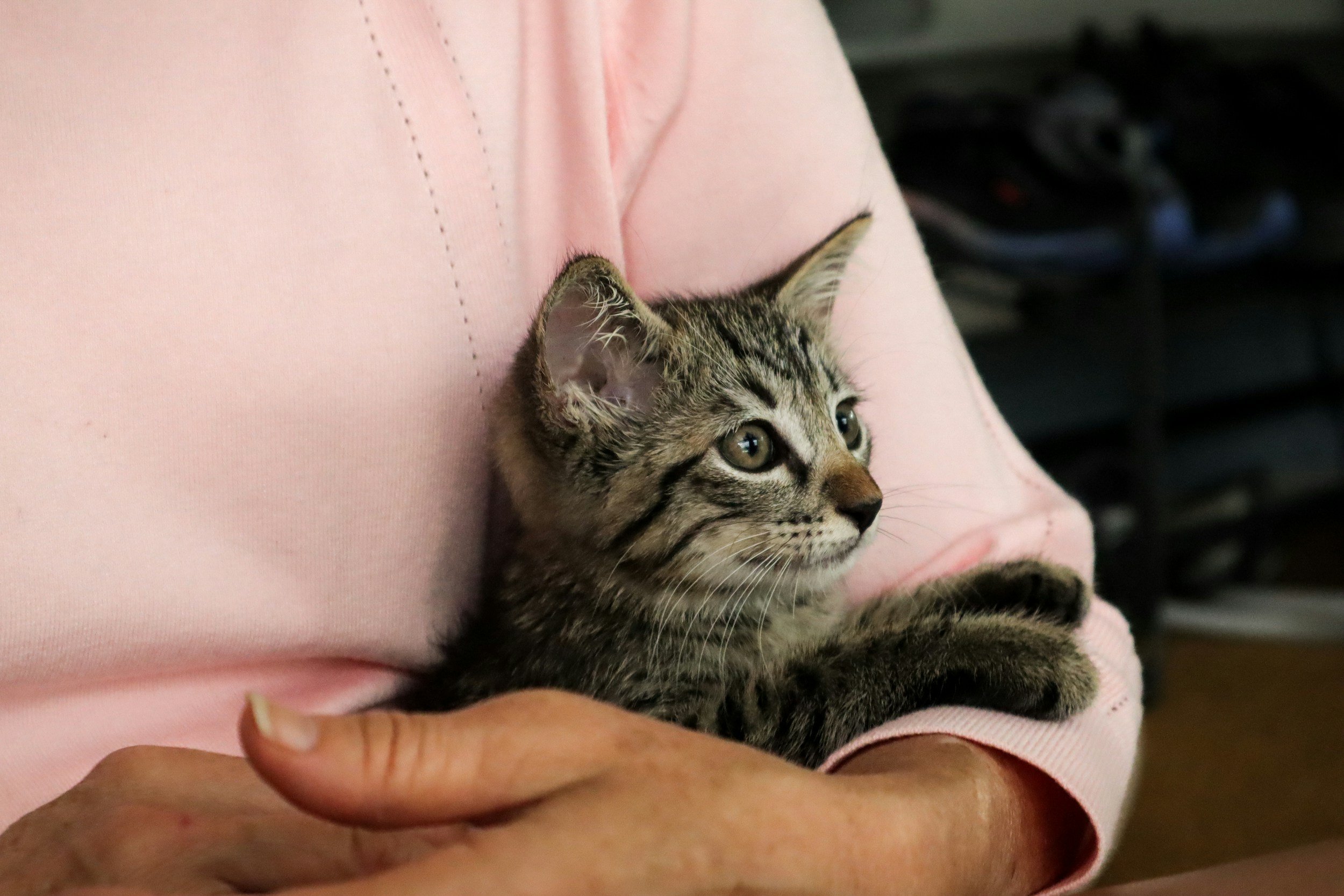
When people think about helping cat shelters, they often picture the sweet things first: toys, treats, little beds, soft blankets, and maybe a few cans of food for hungry cats.
Those things can absolutely help.
But local shelters and rescues often need many ordinary, unglamorous supplies too — the paper towels, trash bags, litter, laundry detergent, cleaning products, gloves, carriers, and gift cards that keep daily care moving.
A shelter is not only a place where cats wait for homes.
It is also a busy, practical, constantly moving operation. Cats need to eat, rest, recover, play, use clean litter boxes, stay warm, get medical care, and live in spaces that are cleaned again and again and again.
The most helpful gift is not always the cutest one.
It is the one the shelter truly needs today.
In this guide
Why wish lists matter
Food, litter, and cleaning supplies
Towels, blankets, and bedding
Carriers, traps, and transport supplies
Kitten-season needs
Medical and senior-cat support
Gift cards and cash donations
What not to donate without asking first
1. Always check the shelter’s wish list first
Before buying or collecting donations, check the shelter’s current wish list.
Most shelters and rescues know exactly what they are running low on. Many keep updated lists on their website, social media pages, Amazon wish lists, Chewy wish lists, or donation pages.
This matters because needs change.
One month, a shelter may urgently need kitten food. Another month, they may have plenty of food but be desperate for litter, paper towels, or laundry detergent. A small rescue may need gas cards for transport. A municipal shelter may need towels. A foster-based rescue may need carriers or kitten formula.
If you are not sure, ask.
GoodCat Tip
The best donation is the one that matches the shelter’s current need, not our best guess.
2. Cat food
Food is one of the most obvious shelter needs, but it is still worth checking before buying.
Shelters may need:
wet cat food
dry cat food
kitten food
senior cat food
sensitive-stomach food
prescription food, if specifically requested
unopened treats
food for community-cat programs
Wet food is often especially useful for cats who are stressed, recovering, older, underweight, or picky. Kitten food can be important during kitten season, when shelters and fosters may suddenly be caring for many hungry babies and nursing mothers.
Try to donate unopened, unexpired food. If the shelter has brand preferences, follow them. Sudden diet changes can upset some cats’ stomachs, so shelters may prefer specific foods for consistency.
3. Cat litter
Litter is one of those supplies shelters can go through quickly.
A shelter or rescue may need litter for:
adoptable cats
medical holds
quarantine areas
foster homes
kittens
senior cats
cats recovering from surgery
But litter preferences can vary. Some shelters use a particular type because it works best for cleaning, odor control, health monitoring, or kitten safety.
Before donating a large amount, check what type they want.
Common requests may include:
unscented clumping litter
non-clumping litter for kittens, if requested
paper litter for post-surgical or medical needs
pellet litter, if the shelter uses it
Avoid heavily scented litter unless the shelter specifically asks for it. Many cats and people find strong scents irritating or unpleasant.
GoodCat Tip
Litter may not feel like a sentimental gift, but it is one of the foundations of daily shelter care.
4. Cleaning supplies
Clean spaces are essential in shelters.
Cats need clean cages, rooms, bowls, litter areas, carriers, floors, bedding, and recovery spaces. Cleaning supplies may not be adorable, but they are deeply useful.
Shelters may request:
paper towels
trash bags
laundry detergent
dish soap
disinfecting wipes or sprays approved by the shelter
bleach, if the shelter uses it safely
gloves
scrub brushes
sponges
mop heads
hand soap
hand sanitizer
Always check the shelter’s list before donating chemical products. Animal-care spaces often have specific cleaning protocols, and not every cleaner is safe or appropriate around cats.
A case of paper towels may not look like much, but it can be a very welcome gift.
5. Towels, blankets, and bedding
Many shelters use towels and blankets constantly.
They may be used in cages, carriers, exam areas, foster homes, recovery spaces, and laundry rotations. Soft bedding can make a stressful environment feel a little more comfortable.
Useful donations may include:
clean towels
small fleece blankets
washable throws
flat pet blankets
small bedding pieces without loose stuffing
But not every textile is helpful. Some shelters cannot use large comforters, pillows, heavy bedding, shredded blankets, or items with stuffing that can come loose.
Before donating, check the shelter’s rules.
Items should be clean, dry, unscented or lightly scented at most, and free from mildew, heavy pet hair, loose threads, or strong odors.
6. Carriers and transport supplies
Safe transport matters.
Cats need secure carriers for vet visits, foster moves, adoption events, emergency care, and going home with adopters. Some rescues may need carriers regularly, especially if they move cats between foster homes and clinics.
Useful items may include:
hard-sided cat carriers
soft-sided carriers, if requested
carrier pads
small towels for carriers
disposable pee pads
labels or ID tags for transport
gas cards for transport volunteers
Donate carriers only if they are clean, functional, secure, and in good condition. Broken latches, cracked plastic, missing doors, or unstable handles can make carriers unsafe.
GoodCat Tip
A good carrier is not just a container. It is part of keeping a cat safe between one place and the next.
7. Kitten-season supplies
Kitten season can place huge pressure on shelters and rescues.
When many kittens arrive at once, fosters and shelters may need specialized supplies quickly.
Common kitten-season needs may include:
kitten food
kitten milk replacer, if requested
nursing bottles
syringes for feeding, if requested
small blankets
heating discs or warming supplies designed for animal care
digital scales
pee pads
non-clumping litter, if requested
playpens or small enclosures
laundry detergent
Do not donate opened formula or medical-feeding supplies unless the organization says it can accept them.
Kitten care can be delicate, so rescues often have specific preferences. Follow their list closely.
8. Medical and recovery supplies
Shelters and rescues often care for cats who are sick, injured, recovering from surgery, or waiting for veterinary treatment.
They may need:
paper litter for post-surgical cats
soft towels
recovery cones, if requested
pill pockets or approved treats
scales
heating support designed for pets
cleaning supplies
disposable gloves
pee pads
money for veterinary bills
For medical items, always ask first. Some supplies need to meet specific standards, and shelters may not be able to use donated medications or opened products.
Money is often the most flexible medical donation because it lets the rescue pay the veterinarian directly or buy exactly what is needed.
9. Senior-cat comfort items
Senior cats may need extra softness and easier access.
If the shelter accepts comfort donations, useful items might include:
low-sided beds
soft washable blankets
non-slip mats
shallow bowls
easy-entry litter boxes
gentle brushes
pet steps, if requested
heating discs or warming mats designed for pet use, if accepted
Older cats in shelters can be especially tender to think about. A soft place to rest may not solve everything, but it can make daily life kinder.
Check before donating larger items, because shelters may have limited space.
GoodCat Tip
Comfort items for senior cats should be soft, washable, safe, and easy to use.
10. Toys and enrichment
Shelter cats need more than food and litter. They also need interest, movement, and comfort.
Toys can help cats play, relax, build confidence, and show their personalities to potential adopters.
Useful toy donations may include:
wand toys
soft mice
crinkle balls
kicker toys
puzzle toys
scratchers
cardboard scratch pads
catnip toys, if accepted
washable toys
Avoid toys with loose strings, small parts, sharp pieces, or anything that could be easily swallowed. Some shelters may prefer new toys only for hygiene reasons.
Scratchers can be especially useful because scratching is normal behavior and can help cats stretch, relieve stress, and feel more at home.
11. Food and water bowls
Shelters may need bowls, but they often have preferences.
Useful options may include:
stainless steel bowls
ceramic bowls, if accepted
shallow dishes
water bowls
small kitten dishes
slow feeders, if requested
Stainless steel is often practical because it is durable and easy to sanitize. Ceramic can be useful too, but chipped or cracked ceramic should not be donated.
Avoid donating old plastic bowls unless the shelter says they can use them. Plastic can scratch and hold odors or residue.
12. Office and administrative supplies
Animal care creates paperwork too.
Shelters and rescues may need supplies for adoption events, records, fundraising, mailing, signage, and daily operations.
Possible needs include:
printer paper
pens
clipboards
folders
labels
tape
envelopes
stamps
storage bins
batteries
cleaning labels
event supplies
These are not the first things people think of, but they can still help the organization function.
A shelter is care work, but it is also logistics.
13. Gift cards
Gift cards are one of the most flexible donations.
They allow shelters to buy what they need, when they need it.
Helpful gift cards may include:
pet supply stores
grocery stores
gas stations
hardware stores
office supply stores
online retailers
local veterinary clinics, if applicable
Gas cards may help transport volunteers. Grocery cards may help buy cleaning supplies or simple necessities. Pet store cards can fill urgent gaps.
If you are unsure what to donate, a gift card is often a safe choice.
GoodCat Tip
A gift card lets the shelter decide what problem needs solving first.
14. Cash donations
Cash may feel less personal than a bag of supplies, but it is often one of the most powerful ways to help.
Money can go toward:
veterinary care
emergency surgeries
medication
spay/neuter programs
food
litter
utilities
transport
building repairs
foster support
adoption events
community-cat work
Even small donations matter. Five or ten dollars may not feel like much, but many small gifts together can support real care.
Recurring monthly donations are especially helpful because they create a little predictability for organizations that often live with unpredictable needs.
15. Foster supplies
Foster-based rescues may need supplies for cats living in temporary homes.
Foster supplies may include:
litter
food
bowls
carriers
bedding
scratchers
toys
cleaning supplies
kitten supplies
playpens
medication support, through the rescue
Supporting fosters helps cats who may not do well in a shelter environment: kittens, shy cats, nursing mothers, recovering cats, senior cats, and cats who need extra attention.
If you know someone fostering, ask what would make their week easier.
16. What not to donate without asking
Good intentions can still create extra work if donations are not usable.
Be careful with:
opened food
expired food
opened medications
human medications
heavily used litter boxes
broken carriers
stained or smelly bedding
pillows or comforters, unless requested
homemade treats
heavily scented products
essential oils
dog flea/tick products
damaged toys
items with loose strings or stuffing
large furniture without permission
If the shelter cannot use an item, staff or volunteers may have to sort, store, discard, or transport it. That creates more work.
When in doubt, ask first.
17. Think local
Every shelter is different.
A large municipal shelter, a small cat-only rescue, a foster-based group, a trap-neuter-return organization, and a senior-cat sanctuary may all need different things.
Local needs may depend on:
the number of cats in care
kitten season
available foster homes
medical cases
storage space
adoption events
community-cat programs
weather
emergency intakes
That is why the best support is local, specific, and responsive.
Follow the shelter’s posts. Read their wish list. Notice what they ask for repeatedly. Ask what they need most this month.
18. A simple donation basket idea
If you want to make a small shelter donation basket, keep it practical.
A useful basket might include:
paper towels
trash bags
a few cans of wet cat food from the wish list
a small fleece blanket
a toy or scratcher
disposable gloves
a gift card
Or a kitten-season basket:
kitten food
small blankets
pee pads
kitten-safe litter, if requested
nursing supplies from the shelter’s list
laundry detergent
Or a cleaning basket:
paper towels
trash bags
gloves
dish soap
detergent
approved cleaning supplies from the wish list
Simple, useful, and requested is the goal.
Final thoughts
Helping a local cat shelter does not always mean making a dramatic donation.
Sometimes it means sending litter. Dropping off towels. Buying paper towels. Sponsoring a medical fund. Choosing a gift card. Sending kitten food during kitten season. Remembering that cleaning supplies matter too.
Shelter care is built from many ordinary acts repeated by people who care.
At GoodCat, we believe every cat deserves food, safety, comfort, clean bedding, medical care, and the chance to be loved. Supporting local shelters is one way to help cats still waiting for homes of their own.
Every cat is a GoodCat.