
Small Ways to Help Local Cat Shelters Even If You Can’t Adopt
A GoodCat guide to supporting shelter cats through donations, supplies, kindness, and everyday acts of care.
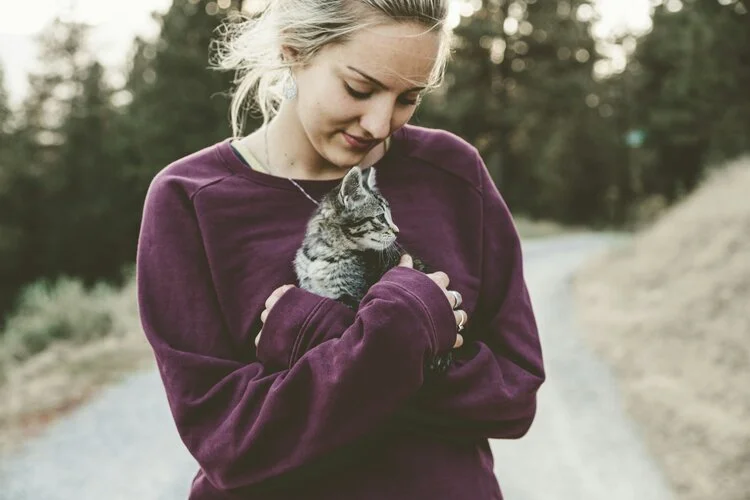
Not everyone can adopt a cat right now.
Maybe your home is already full. Maybe you have health limitations, financial limits, housing restrictions, allergies in the family, travel demands, other pets who would not adjust well, or simply a life season where adoption would not be fair to you or the cat.
That does not mean you cannot help.
Local cat shelters and rescues often rely on many small acts of support: a bag of food, a clean towel, a shared post, a ride to the vet, a few dollars, a foster home, a volunteer hour, or someone who remembers that the shy cats, senior cats, black cats, bonded pairs, and special-needs cats are still waiting too.
Helping cats does not always mean bringing one home.
Sometimes it means making it a little easier for another cat to find home.
In this guide
Donating useful supplies
Giving money in small amounts
Sharing adoptable cats thoughtfully
Volunteering in ways that fit your energy
Helping with transport, laundry, or wish lists
Supporting foster families
Remembering overlooked cats
Making shelter support part of everyday life
1. Start by asking what the shelter actually needs
The most helpful donation is the one the shelter can truly use.
Before collecting supplies or buying a big bag of something, check the shelter’s website, social media page, Amazon wish list, Chewy wish list, or donation page. Many shelters keep updated lists of the items they need most.
If you are unsure, call or email and ask.
Commonly requested items may include:
wet cat food
dry cat food
kitten food
litter
paper towels
cleaning supplies
laundry detergent
trash bags
disposable gloves
blankets or towels
toys
carriers
beds
gift cards
But every shelter is different. Some have plenty of blankets and desperately need kitten food. Others may need litter, cleaning supplies, or money for medical care.
GoodCat Tip
Before donating supplies, check the shelter’s current wish list so your gift solves a real problem.
2. Donate small amounts of money when you can
A donation does not have to be large to matter.
Five dollars, ten dollars, or the cost of one coffee can help when many people give. Money is often especially useful because shelters can direct it where the need is greatest: food, medicine, spay/neuter care, emergency veterinary bills, cleaning supplies, utilities, or transport.
Small recurring donations can be even more helpful because they give shelters something predictable.
Ideas:
give a small monthly amount
donate in honor of a pet
donate on a birthday
donate after adopting
donate during kitten season
donate when a shelter posts an urgent medical need
choose one local rescue to support regularly
If money is tight, do not feel guilty. Helping can take many forms.
3. Use shelter wish lists
Shelter wish lists make giving easier.
Many rescues have wish lists through online retailers where you can buy exactly what they need and have it shipped directly to them. This can be especially helpful if you cannot drive, cannot carry heavy items, or live farther away.
Wish lists often include practical things that are easy to overlook, such as:
litter
paper towels
disinfecting supplies
kitten formula
nursing bottles
food scales
laundry detergent
trash bags
pee pads
warming discs
cat toys
carriers
It may not feel glamorous to send paper towels or trash bags, but those are the kinds of things that keep daily shelter care moving.
GoodCat Tip
The least glamorous supplies are often some of the most useful.
4. Donate clean towels, blankets, or bedding carefully
Many shelters use towels and blankets constantly. They may need them for cages, carriers, recovery areas, foster homes, and cleaning.
But not every textile donation is useful.
Before donating, check the shelter’s rules. Some shelters accept towels and small blankets but not large comforters, pillows, sheets, or damaged bedding. Items should usually be clean and free from strong odors, heavy pet hair, mildew, or loose stuffing.
Good textile donations may include:
clean towels
small fleece blankets
washable throws
flat pet blankets
small bedding pieces without stuffing
Avoid donating anything that is dirty, heavily worn, scented, moldy, torn into strings, or difficult to wash.
A good rule: donate only what you would feel comfortable handing to a busy shelter worker who already has too much to do.
5. Share adoptable cats thoughtfully
Sharing shelter cats online can help, especially when done with care.
A simple share can put a cat in front of the right person at the right time. This is especially helpful for cats who may be overlooked: shy cats, senior cats, bonded pairs, cats with medical needs, black cats, or cats who have been waiting a long time.
When you share, try to include:
the cat’s name
location
shelter or rescue name
adoption link
a kind description
any special needs or preferences, if listed by the shelter
a gentle call to action
Avoid exaggerating or creating pressure. A cat needs the right home, not just any home.
For example:
“Sweet Luna is still waiting at [Shelter Name]. She sounds like a quiet girl who would love a patient home. If you know someone looking for a gentle companion, here is her adoption page.”
GoodCat Tip
A thoughtful share can help the right person notice the right cat.
6. Support foster families
Foster homes are often the quiet backbone of rescue work.
Fosters care for kittens, nursing mothers, shy cats, sick cats, senior cats, or cats who need a break from the shelter environment. Even if you cannot foster yourself, you may be able to support someone who does.
Ways to help a foster:
send food or litter
buy something from their wish list
offer clean towels or blankets
help with transport
share their foster cat’s adoption post
donate toward vet care
offer encouragement
respect how much work they are doing
Fostering can be beautiful, but it can also be tiring and emotional. A small act of support can mean a lot.
7. Volunteer in a way that fits your energy
Volunteering does not always mean long shifts or heavy physical work.
Shelters and rescues may need help with many different things. Some are in-person. Some can be done from home.
Possible volunteer roles include:
cleaning cat rooms
socializing cats
feeding cats
doing laundry
washing dishes
taking photos
writing cat bios
helping with adoption events
answering emails
making phone calls
data entry
fundraising help
social media help
transport
sewing or crafting items
If you have limited energy or health constraints, be honest about what you can do. A reliable small task is better than overcommitting and burning out.
GoodCat Tip
The best volunteer role is one you can do kindly and consistently.
8. Help with transportation
Transport can be a major need in rescue work.
Cats may need rides to vet appointments, foster homes, adoption events, spay/neuter clinics, or transfer locations. If you have a reliable car and can safely transport animals, this may be a practical way to help.
Transport help might include:
taking a cat to a vet appointment
moving supplies between locations
picking up donations
bringing a foster cat to an adoption event
helping with short local rescue trips
Always follow the rescue’s instructions. Cats should be secured in proper carriers, and transport should be calm, safe, and planned.
If you cannot transport cats, you may still be able to help move supplies.
9. Help with laundry or cleaning supplies
Laundry is one of the invisible chores of animal rescue.
Towels, blankets, bedding, cage covers, and cleaning cloths may pile up quickly. Some organizations need volunteers to wash laundry. Others may need detergent, paper towels, trash bags, or disinfecting supplies.
This kind of help may not look sentimental, but it directly supports daily animal care.
A clean blanket in a cage matters. A dry towel after a bath matters. A disinfected space matters.
Small practical things become comfort when they reach the cats.
10. Support spay and neuter work
One of the most powerful ways to help cats is to support spay and neuter efforts.
Shelters, rescues, and trap-neuter-return groups often work hard to reduce the number of homeless kittens and improve the lives of community cats. Donations toward spay/neuter programs can have a long-lasting impact.
Ways to help:
donate to a local spay/neuter fund
support trap-neuter-return groups
share low-cost clinic information
volunteer with administrative tasks
help transport cats to appointments, if trained and approved
sponsor a surgery when possible
If you are not sure where to start, ask a local shelter which organizations are doing responsible spay/neuter work in your area.
11. Remember the overlooked cats
Some cats get adopted quickly. Others wait.
The cats who wait longest are often wonderful cats who simply need a more specific kind of home.
Overlooked cats may include:
senior cats
shy cats
black cats
bonded pairs
cats with medical needs
cats who need to be the only pet
cats who are scared in the shelter
cats with plain photos or quiet personalities
You can help by sharing their posts, sponsoring their adoption fee, donating toward their care, or simply reminding others that these cats are worthy of love too.
GoodCat Tip
The cat who waits the longest may be exactly the cat someone is meant to find.
12. Buy from shelter fundraisers
Many shelters raise money through small fundraisers.
These might include:
calendars
T-shirts
mugs
raffles
craft fairs
bake sales
plant sales
photo contests
online auctions
holiday ornament sales
adoption-event merchandise
If you need a gift anyway, buying from a shelter fundraiser can be a lovely choice. You get something useful or sweet, and the shelter receives support.
This is especially nice around holidays, birthdays, or memorial occasions.
13. Give gift cards
Gift cards can be very helpful because they give shelters flexibility.
Useful options may include:
pet supply stores
grocery stores
gas cards
hardware stores
office supply stores
online retailers
local veterinary clinics, if they accept account credits
Gift cards can help with urgent needs, transport costs, cleaning supplies, printer paper, food, litter, or whatever comes up that week.
When in doubt, ask what type of gift card would be most useful.
14. Be kind to shelter workers and volunteers
Animal rescue can be emotionally heavy work.
Shelter workers and volunteers may deal with limited space, medical emergencies, hard decisions, public criticism, endless messages, and the heartbreak of animals who need more than the organization can easily provide.
Kindness helps.
You can:
say thank you
be patient with response times
follow adoption instructions
avoid harsh public criticism over misunderstandings
bring supplies when asked
write a positive review
share successful adoption stories
acknowledge their work
A kind message will not solve every problem, but it can make a difficult day a little lighter.
15. Make shelter support part of your routines
Helping shelters can become a small, steady habit rather than a big occasional project.
You might:
add one wish-list item to your monthly shopping
donate on your cat’s birthday
share one adoptable cat each week
keep a donation box for clean towels or supplies
choose a shelter fundraiser for holiday gifts
make a small recurring donation
follow local rescues and respond when they post urgent needs
Small routines add up.
You do not have to do everything. Choose one way to help that fits your life and keep doing it when you can.
16. If you cannot help right now, that is okay too
Sometimes people who love animals are already stretched thin.
You may want to help but not have the money, energy, transportation, health, time, or emotional capacity right now. That does not make you uncaring.
Caring also includes knowing your limits.
You can still hold the intention. You can still share a post when you are able. You can still speak kindly about rescue work. You can still remember that cats in shelters matter.
Helping should come from love, not guilt.
Final thoughts
You do not have to adopt a cat to make a difference for cats.
You can send food. Wash towels. Share a post. Sponsor a senior cat. Donate five dollars. Buy from a fundraiser. Help a foster. Drive supplies across town. Remember the cat who has been waiting too long.
Small acts may not feel dramatic, but shelters are built on small acts repeated by people who care.
At GoodCat, we believe every cat deserves safety, comfort, and a chance to be loved. As GoodCat grows, part of our hope is to support local shelters and the cats still waiting for homes of their own.
Every cat is a GoodCat.