
Thoughtful Things to Buy Before Bringing Home a Shelter Cat
Simple, cozy, and practical ways to help your new cat feel safe from the very first day.
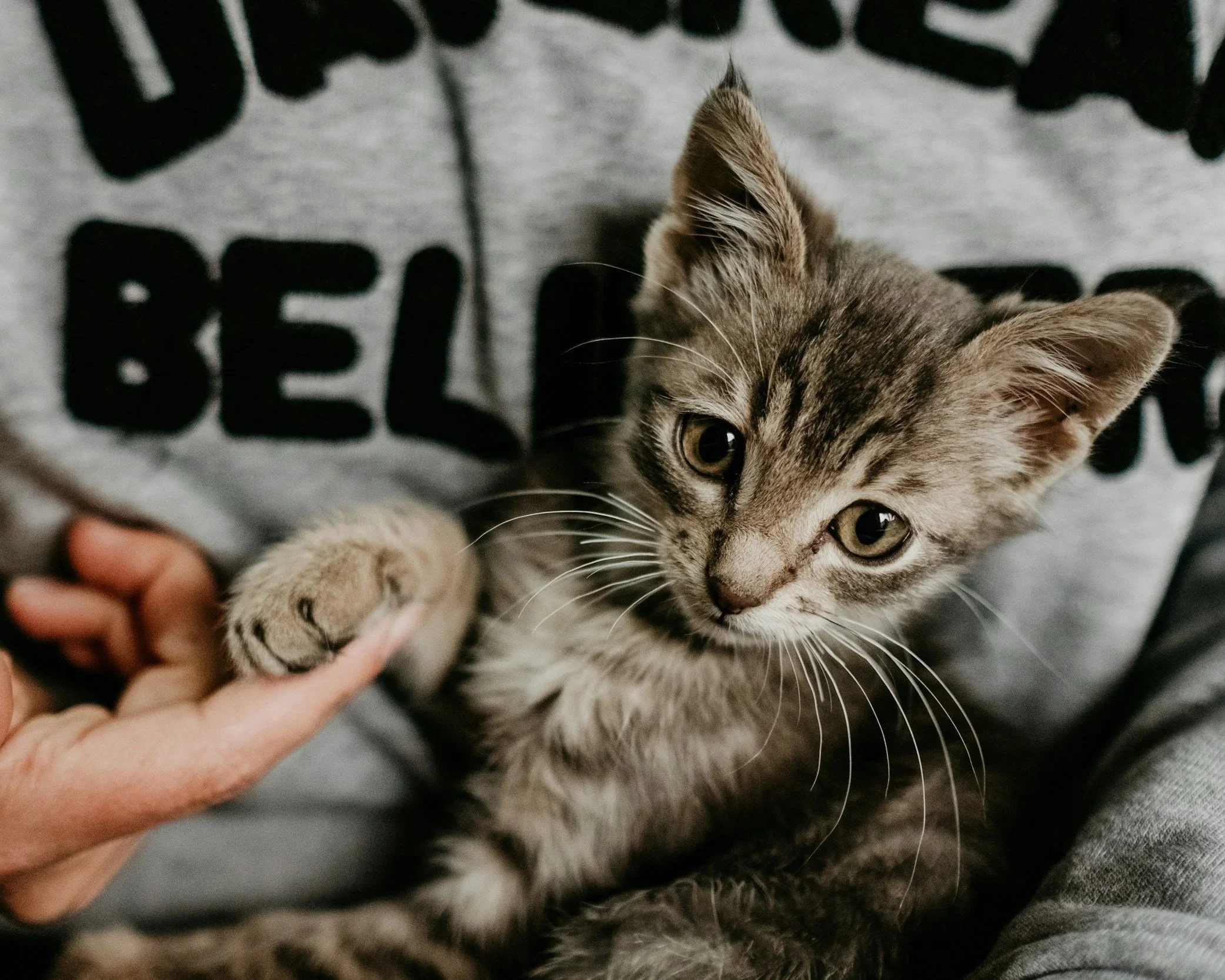
Bringing home a shelter cat is exciting, tender, and sometimes a little overwhelming.
You may be thinking about names, cozy beds, food bowls, toys, and the first sweet moment when your new cat comes home. Your cat, however, may be thinking something very different: new smells, new sounds, new people, new rooms, new rules, and a whole new world to understand.
Even the sweetest shelter cat may feel unsure at first.
That is why the best “welcome home” supplies are not always the fanciest things. They are the things that make the first days feel calmer: a secure carrier, a quiet room, familiar food, a clean litter box, a soft place to rest, and a hiding spot where no one will rush them.
You do not need to buy everything at once.
You simply need a gentle starter setup that says, in cat language: you are safe here.
In this guide
A safe carrier for the ride home
A quiet starter room
Litter box basics
Food, water, and familiar meals
Beds, blankets, and hiding places
Scratching and gentle toys
Cleaning and grooming basics
What not to buy right away
A gentle first-week reminder
1. A secure cat carrier
The first thing your new cat needs is a safe way to get home.
A sturdy carrier may not seem exciting, but it matters. The ride home from the shelter can feel strange and unsettling, especially for a cat who has already been through change. A secure carrier helps protect your cat in the car and gives them a small enclosed space of their own.
Look for a carrier that is:
sturdy
well-ventilated
easy to open and close securely
large enough for your cat to turn around in
easy to clean if there is an accident
safe to carry without wobbling or coming apart
A soft towel or small washable blanket inside can make the carrier feel more comforting. If the shelter sends home a familiar blanket or towel, that scent may also help your cat feel a little less alone during the ride.
GoodCat Tip
The carrier is not just transportation. For a nervous cat, it can be the first safe little room on the way home.
2. A quiet starter room
Before giving your new cat the whole house, it is usually kinder to start with one quiet room.
This could be a bedroom, office, bathroom, spare room, or any calm space where your cat can settle in slowly. Many cats feel safer when they can learn one small area first before exploring everything else.
A good starter room might include:
food and water
a litter box
a soft place to sleep
a hiding spot
a scratching surface
a few simple toys
a carrier left open, if your cat wants to retreat into it
This does not need to be fancy. The goal is not to impress the cat. The goal is to help them breathe, hide if they need to, and begin to understand that nothing bad is going to happen.
A starter room gives your new cat a smaller world to learn before the whole house feels like theirs.
3. A simple litter box setup
A litter box should be ready before your cat comes home.
For most newly adopted cats, simple is best. A basic open litter box is often easier to understand than a covered box, automatic box, or unusual design. Some cats may love covered boxes later, but in the beginning, easy access matters most.
Helpful basics include:
one litter box to start
unscented litter
a litter scoop
a small mat to catch scattered litter
waste bags or a covered disposal container
a quiet, easy-to-find location
If the shelter tells you what kind of litter your cat has been using, it is usually wise to start with that. Familiarity can make the transition easier.
Place the litter box somewhere your cat can find it without stress, but not right beside the food and water. Many cats prefer some separation between eating areas and bathroom areas.
GoodCat Tip
In the first days, familiar and easy matters more than fancy.
4. Food and water dishes
Food and water bowls do not need to be elaborate, but they should be stable, easy to clean, and comfortable for the cat to use.
Many cats prefer wider, shallow dishes because deep bowls can bother their whiskers. Stainless steel, ceramic, or glass bowls are usually easier to keep clean than plastic.
A helpful starting setup includes:
one food dish
one water bowl
a washable mat underneath
fresh water in a peaceful spot
the food your shelter recommends, at least for the first transition period
A new home is already a big change. Keeping food familiar for a little while may help avoid stomach upset and make the first days feel more predictable.
Some cats drink better when water is placed away from food. You can adjust later as you learn your cat’s preferences.
5. Familiar food for the transition
It can be tempting to buy the “best” new food right away, especially when you want to do everything perfectly.
But the first week is usually not the best time for a big diet change unless your veterinarian or shelter recommends it.
Ask the shelter what your cat has been eating. If possible, start with the same food and make any changes gradually later.
This can help reduce:
stomach upset
refusal to eat
stress-related digestive issues
too many changes at once
If your new cat does not eat, eats very little, vomits, has diarrhea, or seems unwell, contact your veterinarian or the shelter for guidance. Cats should not go long without eating.
GoodCat Tip
For a new shelter cat, familiar food can be one small comfort in a very new world.
6. A cozy bed or soft resting spot
Cats do not always sleep where we expect them to.
You may buy the sweetest cat bed in the world, only to find your new cat sleeping in the cardboard box it came in. That is perfectly normal.
Still, it is kind to offer a soft, quiet resting place.
Good options include:
a soft cat bed
a folded washable blanket
a towel inside a box
a cave-style bed
a flat mat
a small cushion in a calm corner
a blanket placed near a hiding spot
For a shelter cat, the best bed is not necessarily the prettiest one. It is the one that helps them feel hidden, warm, and unpressured.
If your cat ignores the bed at first, do not worry. They may need time to decide which places feel safe.
7. A hiding place
A hiding place may be one of the most important things on the list.
A newly adopted cat should have somewhere to disappear for a while. Hiding is not a sign that the adoption is going badly. It is often how cats regulate fear and begin to build confidence.
A good hiding spot could be:
a covered cat bed
a cardboard box with a blanket inside
a carrier left open in the room
a small cat tunnel
a quiet space under a chair or table
a blanket draped over part of a chair
Try not to pull your cat out of hiding unless there is a true safety concern. Let them come out when they are ready. Trust often grows faster when it is not rushed.
GoodCat Tip
Hiding is not rejection. For many cats, hiding is the first step toward feeling safe.
8. A scratching surface
Scratching is not bad behavior. It is normal cat behavior.
Cats scratch to stretch, mark territory, shed the outer layer of their claws, and release stress. A shelter cat entering a new home may especially need that outlet.
It helps to offer at least one scratching option right away.
Good starter options include:
a simple cardboard scratcher
a small vertical scratching post
a horizontal scratching pad
an angled scratcher
a scratcher-lounger
If you are not sure what your cat likes, a simple cardboard scratcher is an easy place to start.
Place the scratcher somewhere your cat actually spends time. A scratcher hidden in a far corner may not be very interesting to them.
9. A few gentle toys
You do not need a giant toy basket on day one.
A few simple toys are enough.
Good starter toys include:
a wand toy
soft toy mice
crinkle balls
a small kicker toy
a catnip toy, if your cat responds to catnip
a quiet chase toy
Wand toys are especially nice because they let you play with your cat without overwhelming them with too much close contact. Play can become one of the first gentle ways to build trust.
Put string or wand toys away after playtime. Dangling cords, ribbons, or strings can be unsafe if a cat is left alone with them.
GoodCat Tip
In the beginning, choose toys that invite gentle play instead of overwhelming your new cat.
10. Cleaning supplies for small accidents
Even a well-trained cat may have an accident during a stressful transition.
It is helpful to have cleaning supplies ready before you need them. An enzymatic cleaner can be especially useful for urine accidents because it is designed to break down odors that may draw a cat back to the same spot.
Good things to have ready:
enzymatic cleaner
paper towels or washable cleaning cloths
small trash bags
a handheld vacuum or lint roller
a washable blanket or towel for the starter room
a small laundry plan for bedding or towels
This is not the glamorous side of cat adoption, but it can make the first week easier.
Try not to punish accidents. Stress, confusion, box placement, litter changes, or medical issues can all play a role. If litter box problems continue, check with your veterinarian.
11. Grooming basics
Most cats do not need a full grooming kit right away, but a few basics can be useful.
Depending on the cat, you may want:
a gentle brush
nail clippers
cat-safe grooming wipes
a flea comb
a soft towel
a small grooming basket
For the first few days, do not worry too much about grooming unless your cat truly needs help. Let them settle. Once they trust you more, brushing can become a sweet bonding ritual.
If your cat is matted, very dirty, painful, elderly, or difficult to handle safely, ask a veterinarian or cat-experienced groomer for help.
GoodCat Tip
In the first week, settling in usually matters more than looking perfectly groomed.
12. A small comfort item from the shelter, if available
If the shelter can send home a blanket, towel, or small item that smells familiar, it may help your cat during the transition.
Familiar scent can be comforting when everything else has changed.
You might place the item:
inside the carrier
near the hiding spot
on the soft bed
in the starter room
beside the open carrier door
Not every shelter can provide this, and that is okay. But if it is available, it can be a gentle bridge between the old place and the new one.
13. What not to buy right away
It is tempting to buy everything at once, especially when you are excited.
But shelter cats often reveal their preferences slowly.
You may want to wait before buying:
expensive cat trees
automatic litter boxes
elaborate fountains
specialty diets
large bags of new food
complicated toys
multiple beds before you know what style they like
strong-scented products
large furniture-style litter cabinets
Start simple. Watch your cat. Let them tell you who they are.
Some cats want height. Some want hiding places. Some want lap time. Some want three weeks under the bed before deciding you are their person.
None of these are wrong.
GoodCat Tip
You do not need to buy your cat’s whole future on the first day.
14. A gentle first-week reminder
The first few days with a shelter cat are not about perfection.
They are about patience.
Your new cat may hide. They may refuse to eat for a little while. They may come out only at night. They may act affectionate immediately, or they may need time to believe this new home is really theirs.
A calm room, a clean litter box, familiar food, soft places to rest, and a human who does not rush them can make a beautiful difference.
The first week is a time to observe, reassure, and let your cat move at their own pace.
Final thoughts
Bringing home a shelter cat is not about creating a perfect setup.
It is about creating a safe beginning.
A few thoughtful supplies can help: a secure carrier, a quiet starter room, familiar food, clean litter, soft bedding, a hiding place, a scratcher, gentle toys, and simple cleaning basics.
But the real gift is the quiet promise behind them:
You are home now. We are so glad you are here.
At GoodCat, we believe every cat deserves to feel safe, cherished, and understood — especially the cats who have waited in shelters for someone to choose them.
Every cat is a GoodCat.
GoodCat note
GoodCat was created with love for cats and the people who care for them. As we grow, part of our hope is to support local shelters and the cats still waiting for their own safe place to land.