
How to Make Your Home More Cat-Friendly Without Making It Look Like a Pet Store
A GoodCat guide to creating a home that works beautifully for cats and still feels like yours.
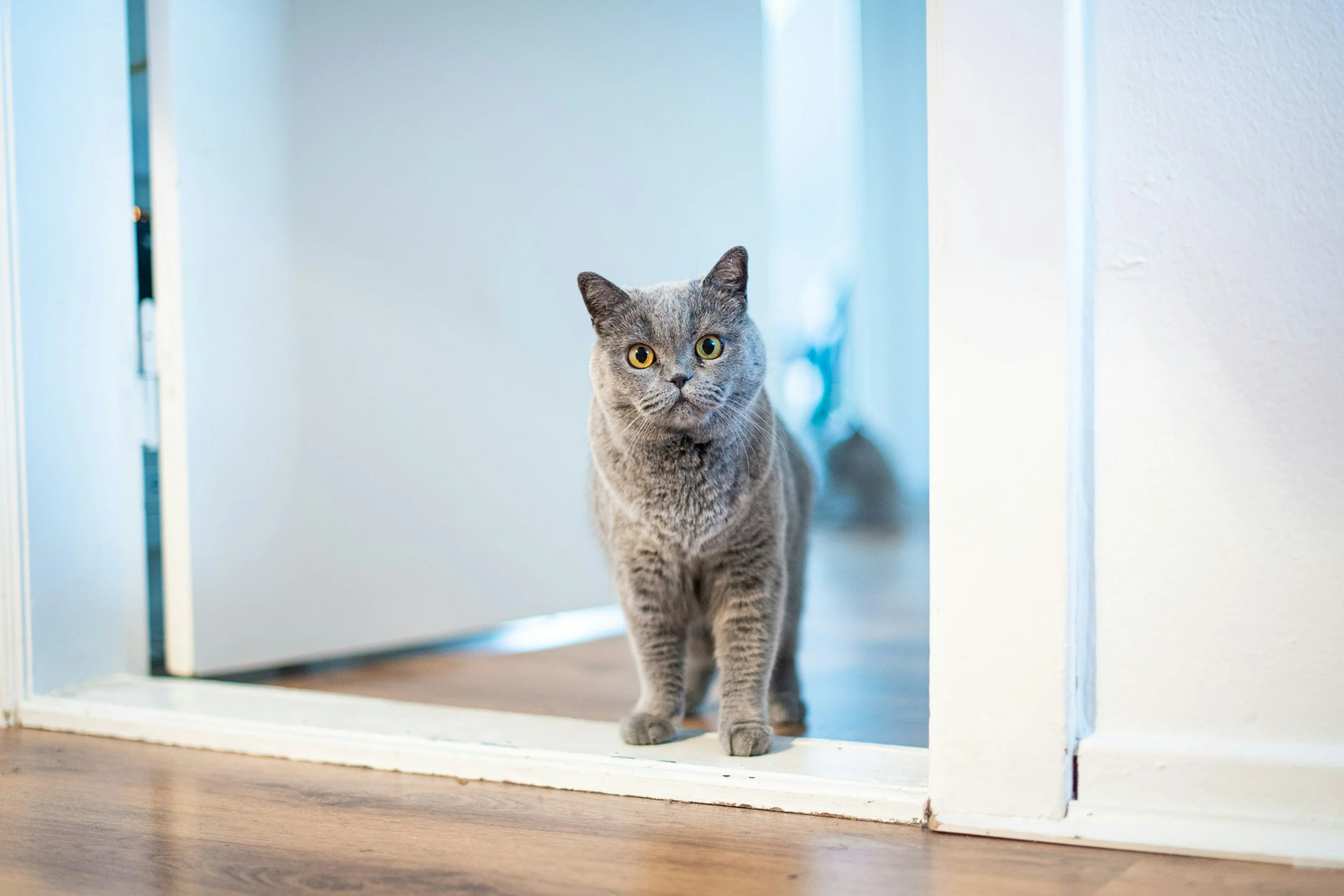
A cat-friendly home does not have to look like a pet store exploded in the living room.
It does not need neon paw prints, towers in every corner, toys covering every floor, or a feeding station that feels like a separate department. Cats need comfort, safety, scratching places, soft spots, food, water, play, and places to watch the world — but those things can be worked into a home gently.
The goal is not to hide every sign that a cat lives with you.
A home with cats should look like cats are loved there. It may have a favorite blanket on a chair, a little basket of toys, a sunny perch, a scratcher by the sofa, and a water bowl in a quiet corner.
But with a few thoughtful choices, cat things can feel intentional instead of chaotic.
A good cat home works for the cat and still feels like home to the human.
In this guide
Choosing cat items that fit your home
Creating small cat zones
Making scratchers, beds, bowls, and toys look intentional
Using baskets, blankets, and washable pieces
Keeping function first
Avoiding clutter without making your cat’s life boring
Letting your home feel loved, not perfect
1. Start with what your cat actually needs
Before buying anything new, think about what your cat truly uses every day.
Most cats need:
a clean litter box
food and fresh water
places to scratch
soft places to rest
hiding or retreat spots
a view or something to watch
toys and play
safe paths through the home
grooming and care items
The exact setup depends on your cat. A senior cat may need easier access and lower beds. A young energetic cat may need more climbing and play. A shy cat may need more hiding places. A confident window watcher may need a safe perch more than another toy.
A cat-friendly home starts with your cat’s real habits, not a shopping list.
GoodCat Tip
The best cat-friendly home is designed around the cat who actually lives there.
2. Choose a simple home palette for cat supplies
One reason pet supplies can feel visually overwhelming is that they often come in bright, unrelated colors.
A red tunnel, blue bowl, purple bed, orange toy basket, and green scratcher may all be perfectly useful, but together they can make a room feel busier than it needs to be.
A simple palette helps everything feel calmer.
Good choices for many homes include:
cream
white
beige
soft gray
pale blue
sage green
warm tan
natural wood
woven textures
muted florals
You do not need everything to match perfectly. The goal is simply to choose cat items that feel like they belong near your furniture, rugs, curtains, and daily objects.
If you love color, use color intentionally. A cheerful cat bed can look lovely if it connects with colors already in the room.
3. Create small cat zones instead of scattering things everywhere
Cat supplies look less chaotic when they have a place.
Instead of a toy here, a brush there, a blanket half on the floor, a scratcher in a random corner, and bowls in the walkway, think in small zones.
Helpful zones might include:
a feeding corner
a window-watching spot
a comfort corner
a toy basket area
a scratching station
a grooming basket
a litter area
Each zone should have a purpose. The feeding corner is for bowls, water, and maybe a mat. The window spot is for watching and resting. The toy basket keeps playthings gathered. The comfort corner gives your cat a predictable place to rest and retreat.
Grouping things makes them feel intentional.
GoodCat Tip
A small cat zone looks calmer than cat supplies spread across the whole room.
4. Let scratchers live where they are useful
Scratchers are one of the hardest cat items to “style” because they need to go where the cat will actually use them.
A beautiful scratcher hidden in a back room may not protect the sofa. If your cat scratches near the sofa, the scratcher probably needs to be near the sofa, at least while they are learning to use it.
Look for scratchers that are both functional and livable:
neutral cardboard scratchers
simple sisal posts
wooden scratchers
scratcher-loungers
wall-mounted scratchers
small cat trees in calmer colors
scratching pads that tuck near furniture
The right scratcher may be visible. That is okay. A visible scratcher that saves the sofa is better than a hidden scratcher your cat ignores.
Choose the scratcher by your cat’s scratching style first, then choose the prettiest version that still works.
5. Use blankets to soften cat spaces
Blankets are one of the easiest ways to make cat areas feel cozy instead of cluttered.
A washable blanket can protect a chair, define a favorite nap spot, cover a perch, soften a bench, or make a box feel like a bed. It can also be folded, washed, replaced, or moved as your cat changes favorite places.
Good blanket choices are:
washable
soft
not too delicate
calm in color
easy to fold
comfortable for your cat
pleasant enough to leave out
If your cat already loves a certain chair or sofa corner, a blanket may be more successful than a brand-new bed.
Cats do not care whether something was marketed as a pet product. If it is soft, safe, and in the right place, it may become theirs.
GoodCat Tip
Sometimes the prettiest cat bed is just a washable blanket in the spot your cat already chose.
6. Make the feeding area tidy and easy to clean
A feeding area does not need much to feel better.
Simple bowls, a washable mat, and a calm location can turn scattered dishes into a small, intentional feeding corner.
For a cleaner look, consider:
ceramic or stainless steel bowls
wide, shallow dishes
a low-profile mat
a tray under the bowls
a neutral water fountain
a small food-storage basket or bin nearby
a feeding spot away from the litter box
Choose items that are easy to wash. Pretty is not helpful if the mat stains, the bowl is hard to clean, or the fountain is complicated to maintain.
A beautiful feeding corner is really a practical feeding corner that also happens to look nice.
7. Store toys in a way your cat and your home can live with
Cat toys are meant to be used, so the goal is not to hide all of them.
But toys can quickly take over a room. A toy basket keeps things manageable and makes the space feel calmer.
Good toy storage options include:
a woven basket
a low fabric bin
a small wooden box
a tray for a few favorites
a drawer for toy rotation
a hook for wand toys
a lidded container for extras
Leave out a few toys and rotate the rest. This helps your home feel less cluttered and keeps toys more interesting for your cat.
Wand toys with strings should usually be put away when not in use, because strings and ribbons can be risky if chewed or swallowed.
GoodCat Tip
A toy basket says, “A cat plays here,” without letting every toy take over the room.
8. Choose beds and perches that fit the room and the cat
A cat bed should fit your cat’s sleeping style, but it also helps when it fits your home.
If a bed is going to live in the living room, bedroom, office, or kitchen, choose one you do not mind seeing every day. Soft neutrals, simple shapes, washable covers, and natural textures are usually easier to blend into a room.
Good options include:
a low soft bed
a washable cushion
a folded blanket
a basket bed with a removable cushion
a window perch in a neutral color
a cat tree that matches the room better
a small mat on a favorite chair
The most important question is still: will your cat use it?
A bed that looks perfect but sits empty is just another object. A slightly imperfect blanket your cat adores is a success.
9. Keep litter areas simple, clean, and practical
The litter box will never be the most decorative part of cat life, but it can be managed thoughtfully.
Start with your cat’s comfort. Many cats prefer boxes that are easy to enter, roomy enough to turn around in, and located somewhere calm and accessible.
To make the area feel better for humans too, consider:
a neutral litter mat
a small scoop holder
a nearby covered trash can
a washable rug or floor protector
a simple screen if your cat accepts the arrangement
a box location that is easy to clean
Be cautious with hidden litter furniture. Some cats use it happily. Others dislike the enclosure, the smell concentration, the darkness, or the tight space.
If your cat avoids the litter setup, the decor solution is not working.
GoodCat Tip
A litter area should be designed for the cat first and made prettier second.
10. Make grooming and care items easy to find
Cat care often comes with little tools: brushes, nail clippers, wipes, medicine, treats, lint rollers, towels, and sometimes special supplies for senior cats or cats with medical needs.
Instead of scattering these items around the house, keep them in a small care basket or drawer.
A simple grooming basket might include:
a brush or comb
nail clippers
grooming wipes, if used
a small towel
treats for cooperative care
a lint roller
any daily care items your cat needs
Keep it where you are likely to use it, but not where your cat feels ambushed. If your cat dislikes grooming, do not store the basket in their favorite comfort corner.
Care supplies should make routines easier, not turn cozy spots into suspicious locations.
11. Think vertical, but stay realistic
Many cats enjoy height. A cat tree, shelf, window perch, or safe furniture route can make a home much more interesting.
But cat-friendly vertical space does not have to mean turning your walls into a complicated climbing system.
Simple vertical options include:
a cat tree near a window
a sturdy chair by a windowsill
a bench under a sunny window
a low bookcase with a safe cleared spot
a window perch
pet steps for older cats
Make sure anything your cat climbs is stable and safe.
If you have senior cats, disabled cats, kittens, or less confident cats, think about access. A perch is only useful if your cat can get up and down comfortably.
12. Leave room for the beloved ridiculous thing
A cat-friendly home can be calm and pretty, but it should not become so curated that your cat’s actual joy disappears.
There may be a weird toy your cat loves. A cardboard box that stays too long. A blanket that no longer matches. A scratcher that is not your favorite but saves the chair. A tunnel that looks silly but creates daily happiness.
That is part of living with cats.
Not every object has to be beautiful to be worthy.
A good cat home has room for usefulness, comfort, beauty, and the one ridiculous thing the cat has chosen with their whole heart.
GoodCat Tip
A home can be pretty and still make room for the cat’s favorite strange little thing.
13. Buy less, but choose better
It is easy to keep buying cat things because each item seems small.
One toy, one bed, one bowl, one blanket, one scratcher — and suddenly the house feels crowded.
Before buying something new, ask:
Does my cat need this?
Do we already have something similar?
Where will it live?
Is it easy to clean?
Does it fit the room?
Is it safe and practical?
Will my cat likely use it?
Choosing fewer, better-fitting items is often more effective than buying many things that do not quite work.
14. Let your home look loved
A cat-friendly home is not supposed to look untouched.
It may have fur on a blanket, a toy under the chair, a scratcher beside the sofa, a basket of tiny mice, and a cat bed in the sun. These are not failures. They are signs of a shared home.
The goal is not to erase the evidence of your cat.
The goal is to make that evidence feel cared for.
When cat things have places, colors, textures, and routines that make sense, the whole home feels calmer.
Final thoughts
Making your home more cat-friendly does not mean surrendering your style.
It means choosing cat things thoughtfully: a scratcher where your cat will use it, a blanket where they already nap, bowls that are easy to clean, a toy basket that fits the room, a perch with a safe view, and a comfort corner that feels like belonging.
A home with cats will always have a little softness around the edges.
That is part of its charm.
At GoodCat, we believe the best cat homes are practical, pretty, and full of heart — places where cats can stretch, sleep, play, watch, hide, and be loved without turning the whole house into a pet aisle.
Every cat is a GoodCat.