
How to Give a Cat a Bath If You Really Need To
A gentle GoodCat guide to cat baths, brushing, nail trims, and simple grooming without unnecessary stress.
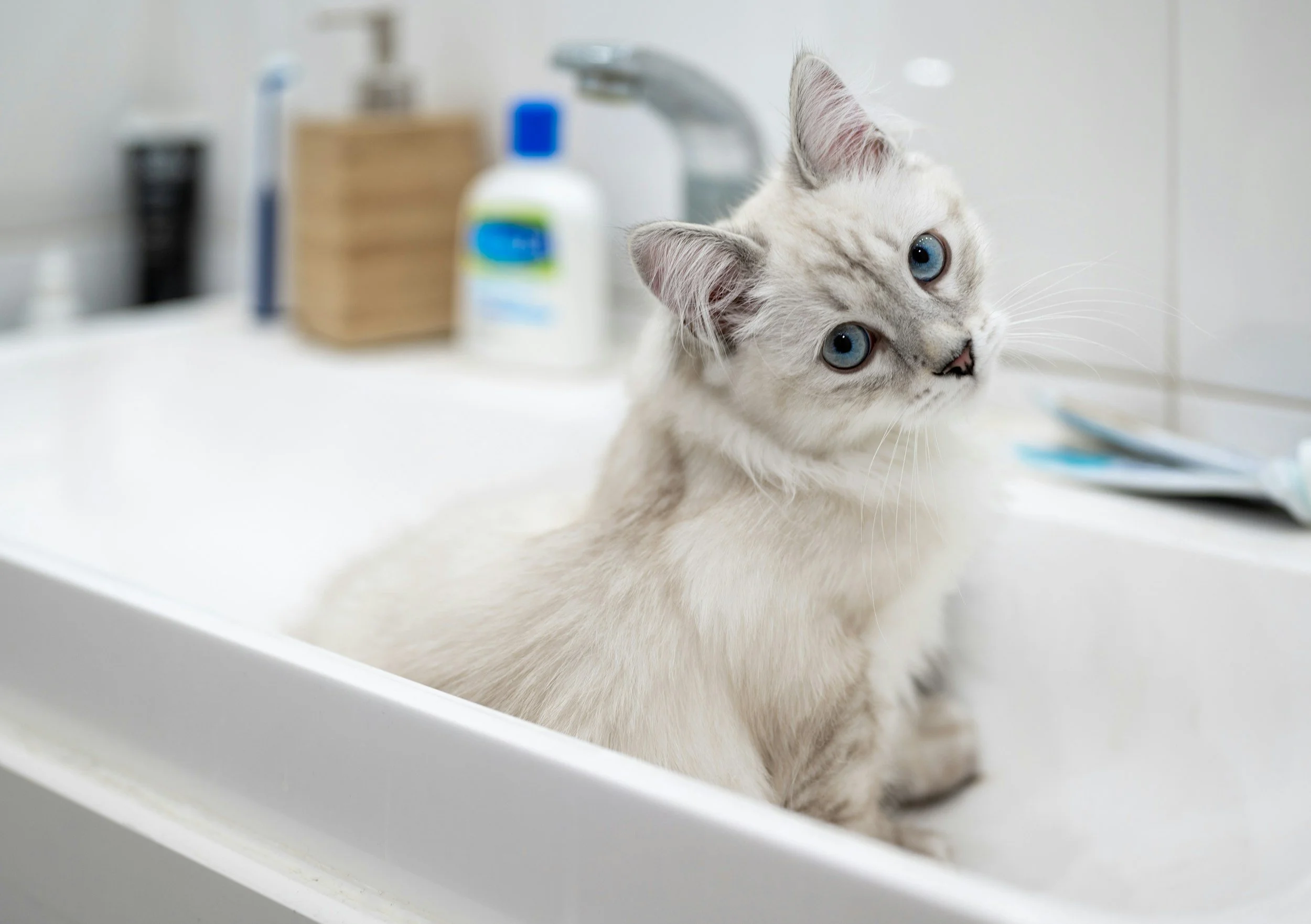
Most cats do not need regular baths.
Healthy cats are usually excellent self-groomers. They wash their faces, smooth their fur, clean their paws, and manage much of their own daily care with a seriousness that deserves respect.
But sometimes a cat does need help.
Maybe they got into something sticky. Maybe they have litter or stool on their fur. Maybe they are older, ill, overweight, arthritic, long-haired, or unable to groom well. Maybe a veterinarian recommended bathing for a skin condition. Maybe a rescue cat arrived dirty and uncomfortable.
A cat bath should not be a routine human preference. It should be a practical act of care when the cat truly needs it.
The goal is not to make the cat smell like flowers or look freshly styled.
The goal is to help them feel clean, safe, and comfortable with as little fear as possible.
In this guide
When a cat may need a bath
When not to bathe a cat
Safer alternatives to a full bath
How to prepare before bathing
Step-by-step cat bath basics
Drying and aftercare
Brushing, nail trims, and everyday grooming
When to ask a groomer or veterinarian for help
1. First ask: does this cat really need a bath?
Before turning on the water, pause.
Many cats do not need full baths, and bathing can be very stressful for them. If the issue can be handled with brushing, a damp cloth, spot-cleaning, or a grooming wipe made for cats, that may be kinder and easier.
A bath may be needed if your cat:
has something sticky, greasy, or unsafe on their fur
has stool, urine, or litter stuck in their coat
is too old, sick, overweight, or arthritic to groom properly
has a skin condition and your veterinarian recommends bathing
has fleas and your veterinarian recommends a specific treatment plan
came from a difficult situation and is very dirty
has long fur that has become soiled and uncomfortable
If the substance on your cat might be toxic, irritating, oily, chemical, or dangerous, contact your veterinarian or pet poison guidance promptly. Do not guess.
GoodCat Tip
A cat bath should solve a real problem, not create stress for no reason.
2. Know when not to bathe
There are times when bathing may be unsafe or unwise.
Avoid bathing a cat without professional guidance if the cat is:
very ill
injured
extremely frightened or aggressive
having trouble breathing
very young
very old and fragile
unable to stay warm
recovering from surgery
covered in a substance that may be toxic
badly matted
in severe pain
Severe mats should not be washed at home. Water can tighten mats and make them more uncomfortable. A badly matted cat may need a professional groomer or veterinarian.
If you are unsure, ask for help before bathing.
3. Try spot-cleaning first
A full bath is not always necessary.
For many small messes, spot-cleaning is enough.
You might use:
a warm damp cloth
cat-safe grooming wipes
a small amount of cat-safe shampoo on the dirty area only
gentle brushing after dried-on debris loosens
careful trimming by a professional if fur is soiled or matted
Spot-cleaning can work well for paws, rear-end fur, a small sticky patch, or dust on the coat. Move slowly and keep the experience as calm as possible.
If the mess is near the eyes, ears, mouth, genitals, or an irritated skin area, be extra cautious and consider veterinary advice.
GoodCat Tip
The smallest cleaning method that works is usually the kindest one.
4. Gather everything before you start
If a bath is truly needed, prepare first.
Do not put your cat in the sink and then go looking for a towel, shampoo, or cup. Once the bath begins, you want the process to be short and calm.
Gather:
cat-safe shampoo
several towels
a non-slip mat or towel for the sink/tub floor
a cup or gentle sprayer for rinsing
a brush or comb, if appropriate
treats, if your cat can eat them safely
a warm room for drying
a helper, if your cat tolerates one
clothes you do not mind getting wet
Use shampoo made for cats. Do not use human shampoo, harsh soap, essential oils, heavily scented products, or dog products unless your veterinarian specifically says they are safe for your cat.
Cats are sensitive. Gentle products matter.
5. Choose the calmest bathing place
Many cats do better in a sink, utility sink, or small tub rather than a large bathtub. A smaller space can feel more controlled and less overwhelming.
Choose a place that is:
warm
quiet
easy to clean
not slippery
not too deep
close to towels
away from loud interruptions
Place a towel or non-slip mat on the bottom so your cat’s feet do not slide. Slipping can make panic worse.
Keep the water shallow. You do not need a deep bath. For most cat bathing situations, a few inches of warm water or gentle wetting is enough.
6. Use warm water, not hot water
The water should be comfortably warm, not hot.
Test it with your wrist or inner arm. If it feels hot to you, it is too hot for your cat.
Avoid spraying water directly into your cat’s face. Many cats find that terrifying. For the face and head, use a damp cloth if cleaning is needed, and avoid the eyes, nose, mouth, and ears.
Keep water out of the ears as much as possible.
GoodCat Tip
Warm, shallow, quiet, and quick is better than deep, loud, and dramatic.
7. Keep your movements calm and practical
When you place your cat in the bathing area, move gently and confidently.
Speak softly. Keep one hand supporting or steadying the cat if needed. Do not grip harshly, but do not let the cat slip or scramble dangerously.
A basic bath sequence:
Wet the dirty areas gently.
Apply a small amount of cat-safe shampoo.
Massage gently through the affected fur.
Avoid eyes, ears, nose, and mouth.
Rinse thoroughly.
Rinse again if needed.
Wrap your cat in a towel.
Move to a warm, quiet drying area.
Rinsing matters. Leftover shampoo can irritate the skin or be licked off during grooming.
8. Do not turn the bath into a battle
If your cat becomes extremely panicked, aggressive, or unsafe to handle, stop if you can do so safely.
A bath that becomes a fight can injure both the cat and the human. It can also make future care much harder.
If the cat must be cleaned and you cannot do it safely, call a veterinarian or professional groomer experienced with cats.
This is especially important for cats who are fearful, feral, elderly, ill, painful, or severely matted.
There is no shame in needing help.
9. Dry gently and keep your cat warm
After the bath, wrap your cat in a towel and gently blot or pat the fur. Do not rub roughly, especially if the skin is sensitive.
Most cats do not like blow dryers, and the noise can be frightening. If you use a dryer at all, use extreme caution: low heat, low air, distance from the skin, and only if your cat tolerates it. Many cats are better dried with towels in a warm room.
Keep your cat indoors and warm until fully dry. Wet cats can become chilled.
Offer a quiet place to recover. Your cat may groom, hide, or glare at you with understandable feelings.
GoodCat Tip
After a bath, warmth and quiet are part of the care.
10. Brush before bathing, if the coat allows it
If your cat has loose fur, dirt, or minor tangles, brushing before bathing may help.
But do not aggressively brush painful mats. Mats can pull on the skin, and trying to comb them out can hurt. Bad mats need professional help.
For regular brushing, choose a brush or comb suited to your cat’s coat:
soft brush for sensitive cats
comb for longer fur
deshedding tool used gently and appropriately
flea comb for checking debris or small areas
grooming glove for cats who dislike brushes
Short sessions are often best. A few calm minutes can be more successful than one long grooming session.
11. Make brushing part of normal life
Brushing is one of the best ways to reduce the need for baths.
It can help with:
loose fur
hairballs
mats in long-haired cats
shedding around the house
noticing skin changes
bonding, if your cat enjoys it
helping older or less flexible cats stay comfortable
Start slowly. Let your cat sniff the brush. Brush a small area. Stop before they are upset. Reward with praise, treats, or a favorite routine if appropriate.
Some cats love brushing. Some tolerate it. Some file formal complaints.
Respect the cat in front of you.
12. Nail trims are grooming too
Nail care is part of grooming, especially for indoor cats, senior cats, or cats whose claws get sharp, long, or caught in fabric.
A calm nail-trim routine may include:
touching paws gently during relaxed times
trimming only one or two claws at a time
using cat nail clippers
avoiding the quick
giving treats or praise
stopping before the cat panics
asking a groomer or veterinarian for help if needed
Do not rush. Nail trims can be learned slowly.
If your cat’s claws are overgrown, curling, embedded, painful, or hard to manage, contact a veterinarian.
GoodCat Tip
For many cats, one calm claw today is better than a full battle over all eighteen.
13. Check ears, eyes, and teeth without overdoing it
Basic grooming also includes noticing changes.
You do not need to poke, scrub, or over-handle sensitive areas. Just pay attention.
Watch for:
dirty or painful ears
head shaking
eye discharge
bad breath
drooling
difficulty eating
red gums
skin irritation
bald spots
lumps or bumps
sudden grooming changes
If you notice something unusual, ask your veterinarian. Grooming time can help you catch problems early, but it does not replace medical care.
Do not put anything into your cat’s ears or use dental products unless you know they are safe for cats and appropriate for your cat.
14. Help cats who cannot groom well
Some cats need extra grooming support.
This may include:
senior cats
overweight cats
arthritic cats
long-haired cats
disabled cats
sick cats
cats recovering from stress or neglect
They may need brushing, sanitary trims from a professional, spot-cleaning, mat prevention, easier access to clean resting places, or veterinary care for pain or illness.
If a cat suddenly stops grooming, looks greasy, develops mats, smells different, or seems unable to clean themselves, treat that as useful information. It may be a sign that something has changed.
15. Keep grooming gentle and predictable
Cats usually do better when care feels predictable.
Try to groom when your cat is calm, not when you are rushed. Keep sessions short. Use a quiet voice. Stop before your cat is overwhelmed. Build trust over time.
A gentle grooming routine might include:
brushing for a few minutes
checking paws during cuddle time
wiping a small mess right away
keeping bedding clean
trimming one or two claws at a time
rewarding cooperation
ending on a calm note
The goal is not perfect grooming in one session. The goal is a cat who feels safe being cared for.
16. When to call a professional
Sometimes the kindest choice is help.
Call a veterinarian or cat-experienced groomer if:
your cat is severely matted
the cat is too fearful or aggressive to handle safely
the mess involves a toxic or unknown substance
there is skin irritation, wounds, or pain
your cat is elderly or medically fragile
claws are overgrown or embedded
bathing was recommended for a medical condition
you are unsure what product is safe
Professional help can prevent injuries and reduce stress.
Final thoughts
Bathing a cat is sometimes necessary, but it should usually be rare, gentle, and purposeful.
Most grooming is quieter than a bath: a brush through soft fur, a towel over a favorite bed, a careful nail trim, a damp cloth for a small mess, a watchful eye for changes, and the patience to stop before your cat feels overwhelmed.
Good grooming is not about making a cat look perfect.
It is about helping them feel comfortable in their own body.
At GoodCat, we believe care is often found in the small, practical moments: the clean blanket, the gentle brush, the safe bath when truly needed, and the soft voice that says, “I’m helping you. You’re okay.”
Every cat is a GoodCat.