
How to Create a Calm Cat Routine at Home
A GoodCat guide to helping your cat feel safe, settled, and cared for through gentle everyday rhythms.
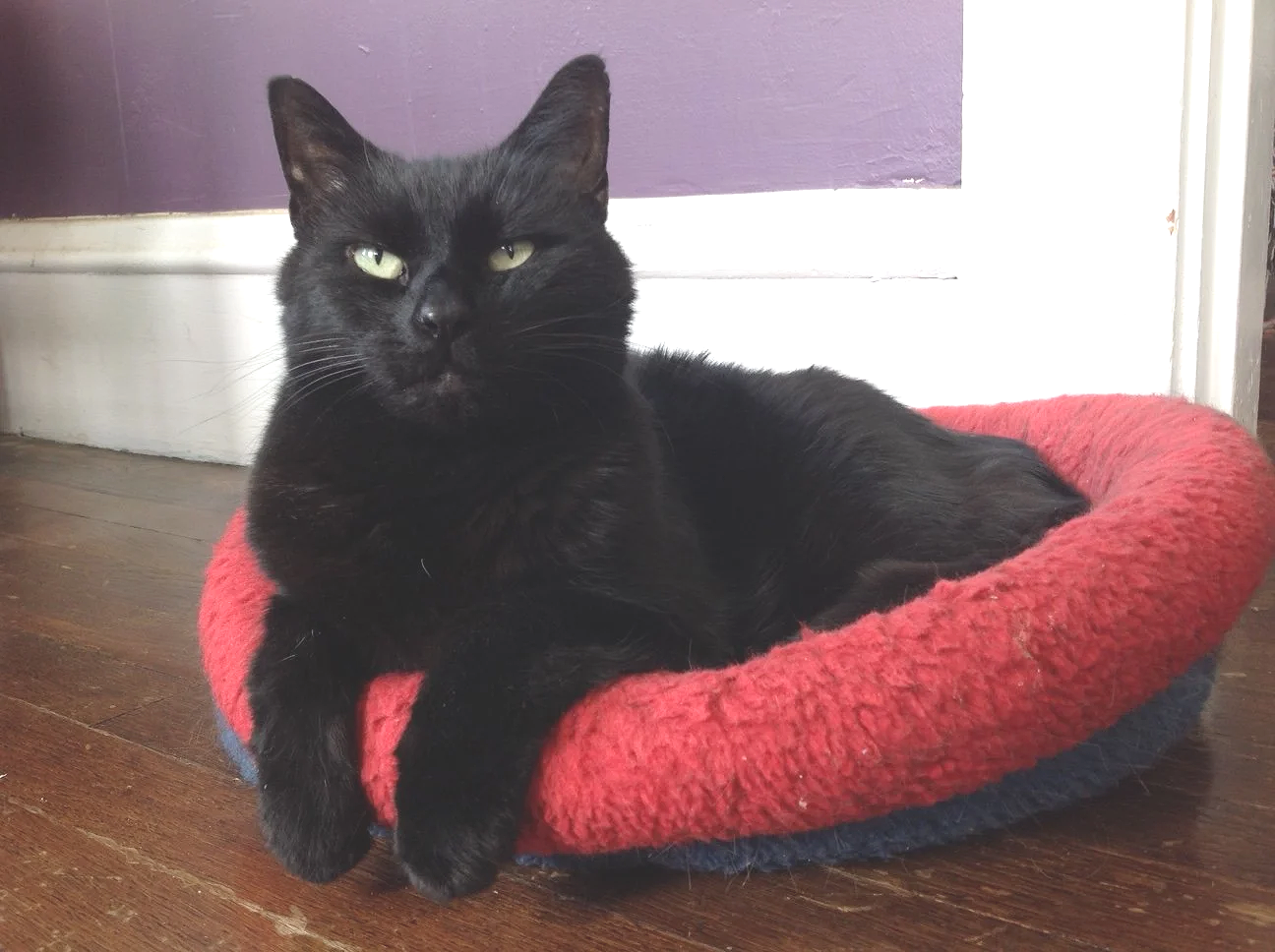
Cats notice patterns.
They learn the sound of the food cabinet. They know which chair you sit in at night. They understand the difference between regular shoes and shoes that mean you are leaving. They may appear to be asleep, but somehow they know when dinner is late by three minutes.
A calm routine can help a cat feel secure.
This does not mean every day has to be perfect or exactly the same. Real homes are not clocks. People work, rest, leave, return, clean, cook, get tired, have busy days, and sometimes forget where they put the cat brush.
But cats often benefit from gentle predictability: familiar meal times, clean litter, regular play, quiet resting places, and small daily interactions they can count on.
A good cat routine is not about strict rules.
It is about creating a home rhythm that helps your cat feel safe, understood, and included.
In this guide
Why routines help cats feel secure
Simple morning and evening rhythms
Feeding, water, and litter habits
Play and enrichment routines
Grooming and care without stress
Routines for shy, senior, or newly adopted cats
How to keep things flexible when life changes
1. Think of routine as reassurance
For cats, routine can be comforting because it makes the world easier to predict.
A cat who knows when meals usually happen, where the litter box is, when the house quiets down, and what to expect from their humans may feel more settled. Predictability can be especially helpful for shy cats, senior cats, newly adopted cats, and cats who become anxious with change.
A routine tells your cat:
food will come
water will be fresh
the litter box will be clean
safe places will stay available
people will not always be unpredictable
play and attention happen in familiar ways
home has a rhythm
You do not need to schedule every moment. Start with the basics and build from there.
GoodCat Tip
A calm routine is one way of saying, “You can trust this home.”
2. Start the morning gently
Morning can be a good time to reset your cat’s little world.
A simple morning routine might include:
greeting your cat softly
checking food and water
feeding breakfast
scooping the litter box
opening curtains for a window view
offering a few minutes of play or attention
checking that beds, blankets, and favorite spots are comfortable
Some cats are energetic in the morning. Others want breakfast and a nap. Let your cat’s personality guide the routine.
If your cat wakes you very early for food, you may need to adjust feeding patterns, use an automatic feeder, or avoid rewarding the loudest possible breakfast announcement. But do this gently and consistently.
Cats are excellent trainers of humans, especially before sunrise.
3. Make meals predictable
Feeding routines matter because food is one of the biggest daily events in a cat’s life.
Whether your cat eats scheduled meals, measured portions, wet food, dry food, prescription food, or a combination, try to keep the routine fairly consistent.
A good feeding routine may include:
feeding at similar times each day
using clean bowls
refreshing water
keeping the feeding area calm
noticing appetite changes
feeding cats separately if needed
following veterinary guidance for special diets
Appetite changes can be important. If your cat suddenly eats much less, stops eating, drinks much more, vomits frequently, loses weight, or seems hungry but cannot eat comfortably, contact your veterinarian.
GoodCat Tip
A predictable feeding routine helps you notice when something changes.
4. Keep water part of the routine
Fresh water is easy to overlook, especially if the bowl still looks partly full.
Try making water checks part of your daily rhythm. Refresh bowls, rinse them, and make sure the water station is clean and accessible.
Some cats prefer:
wide bowls
water away from food
more than one water station
a fountain
ceramic, stainless steel, or glass bowls
quiet locations away from litter boxes
If you use a fountain, clean it regularly and replace filters as directed. A fountain only helps if it stays clean.
If your cat starts drinking much more than usual, mention it to your veterinarian. Increased thirst can be a health clue.
5. Scoop the litter box consistently
A clean litter box is one of the most important parts of a calm cat home.
Scooping daily, or more often if needed, helps keep the box pleasant for your cat and easier for you to maintain. It also gives you a chance to notice changes in urine, stool, frequency, or litter box habits.
A litter routine may include:
scooping once or twice daily
checking for unusual changes
topping up litter as needed
washing the box periodically
keeping the area swept or vacuumed
making sure the box is easy to reach
If your cat starts avoiding the box, straining, urinating outside the box, crying in the box, or visiting the box frequently with little output, contact your veterinarian promptly. Some litter box changes can be medical.
GoodCat Tip
Scooping is not just cleaning. It is one of the easiest ways to monitor your cat’s wellbeing.
6. Add short play sessions
Play does not have to be long to matter.
Many cats enjoy short, focused play sessions once or twice a day. Even five to ten minutes can help your cat move, think, pounce, stalk, chase, and release energy.
Good play routines might include:
a morning wand toy session
evening chase play before dinner
a puzzle toy a few times a week
toy rotation on weekends
gentle play for senior cats
quiet play for shy cats
Try to let your cat catch the toy sometimes. A game that never ends in success can become frustrating.
For many cats, a play-then-meal routine feels natural: chase, catch, eat, groom, rest.
7. Rotate toys without making it complicated
Toy rotation is an easy routine that keeps toys interesting and reduces clutter.
You do not need a big system. Keep a small basket of toys available and store the rest. Every few days or once a week, switch a few toys.
A simple rotation might include:
one small chase toy
one soft toy or kicker
one puzzle or treat game
one wand toy stored safely for supervised play
one favorite toy that always stays out
Some cats have a beloved toy that should not be rotated away. Respect the favorite toy. It has clearly been promoted to household importance.
GoodCat Tip
A few toys used well are better than a floor full of toys no one notices.
8. Keep quiet time predictable too
Cats need stimulation, but they also need rest.
A calm routine includes quiet time: predictable periods when your cat can sleep, watch, hide, or simply exist without being bothered.
This matters especially for:
shy cats
senior cats
newly adopted cats
cats in busy households
cats living with children or other pets
cats recovering from stress or illness
Try to protect your cat’s resting places. If your cat has a comfort corner, favorite bed, or hiding spot, let it remain available and peaceful.
A cat who can retreat when they need to may feel more confident when they choose to join in.
9. Build grooming into small moments
Grooming is easier when it becomes gentle and routine rather than a big event.
Depending on your cat’s needs, this may include:
a few brush strokes during calm times
checking paws occasionally
trimming one or two claws at a time
wiping a small mess promptly
checking for mats in long-haired cats
helping senior cats who cannot groom well
Do not force long grooming sessions if your cat becomes upset. Short, positive moments are usually better.
If your cat has painful mats, skin problems, overgrown claws, or sudden grooming changes, ask your veterinarian or a cat-experienced groomer for help.
10. Notice changes during daily care
A routine helps you notice what is normal for your cat.
You may notice:
appetite changes
drinking changes
litter box changes
less jumping
hiding more
grooming less
weight changes
new vocalizing
changes in play
changes in sleep
changes in mood
Small changes can be important, especially in cats, who may hide discomfort. If something seems sudden, significant, or concerning, contact your veterinarian.
A calm routine is not just comforting. It is also a way of paying attention.
GoodCat Tip
The better you know your cat’s normal, the sooner you may notice when something is not normal.
11. Create an evening wind-down
Evenings are a natural time for a small cat routine.
A gentle evening rhythm might include:
play session
dinner or small meal
fresh water check
litter scoop
brushing if your cat enjoys it
quiet time on the sofa
opening access to a favorite sleeping spot
a slow blink and soft goodnight
Some cats become active in the evening. A play session before dinner may help satisfy that energy. Other cats simply want their meal and a warm place to sleep.
A predictable evening routine can help the house settle.
12. Make routines work for your real life
A routine should support you, not exhaust you.
If you cannot do everything every day, focus on the essentials:
food
fresh water
clean litter
safety
attention
noticing health changes
Then add enrichment where you can.
A realistic routine might be:
morning feeding and water
quick litter scoop
five minutes of evening play
weekly toy rotation
brushing twice a week
full litter area cleanup on a set day
It is better to have a simple routine you can maintain than a perfect routine that collapses after three days.
13. Routines for newly adopted cats
Newly adopted cats often need extra predictability.
During the first days or weeks, keep things simple:
one quiet welcome room
consistent feeding times
clean litter
soft visits
gentle voice
no forced interaction
gradual expansion into the home
slow introductions to other pets
A new cat is learning the map of home. Routine helps that map feel safer.
Try not to change everything at once. Give them time to understand where things are and what to expect.
GoodCat Tip
For a new cat, ordinary repeated kindness is how a house becomes home.
14. Routines for shy cats
Shy cats may rely on routine even more.
A shy cat may feel safer when they know when you enter the room, how you move, where food appears, and that you will not pull them from hiding.
Helpful shy-cat routines include:
visiting at similar times
sitting quietly without pressure
offering treats gently
keeping the room calm
using the same soft phrases
letting the cat approach first
keeping hiding places available
Progress may be slow. That does not mean nothing is happening.
A shy cat may be learning you are safe long before they are ready to show affection openly.
15. Routines for senior cats
Senior cats often appreciate stability.
Older cats may benefit from:
consistent meal times
easy access to water
easy-access litter boxes
soft beds in familiar places
pet steps or ramps where needed
gentle grooming
quiet play
predictable household rhythms
fewer sudden changes in furniture layout
If your senior cat seems confused at night, vocalizes more, misses the litter box, drinks more, eats less, or changes behavior, talk with your veterinarian.
Routine can help older cats feel secure, but medical changes still need medical attention.
16. Adjust gently when life changes
Life changes happen.
People move. Schedules shift. New pets arrive. Babies come home. Visitors stay. Furniture moves. Work hours change. Illness or travel interrupts the normal rhythm.
When possible, keep a few anchors steady:
feeding routine
litter box location
favorite bed or blanket
comfort corner
play or attention time
familiar smells
calm voice
If you must change something, change it gradually when you can.
Cats can adapt, but familiar anchors make adapting easier.
17. Do not mistake routine for boredom
Routine and enrichment can work together.
A cat can have predictable care and still have interesting days. You might keep meal times steady while rotating toys, changing puzzle games, opening a safe window view, or offering new cardboard boxes.
The routine is the foundation. Enrichment is the sparkle.
Your cat can know breakfast is coming and still be surprised by the excellent box that arrived yesterday.
Final thoughts
A calm cat routine does not need to be complicated.
Feed them. Refresh the water. Scoop the box. Offer play. Protect quiet places. Notice changes. Keep favorite spots available. Let care happen in small, steady ways.
These ordinary routines are not small to a cat.
They are the shape of home.
At GoodCat, we believe cats feel loved not only through big gestures, but through the gentle repetition of daily care: the clean bowl, the familiar blanket, the soft voice, the evening play, and the person who notices when something changes.
Every cat is a GoodCat.