
Beautiful Cat Bowls, Mats, and Feeding Corners
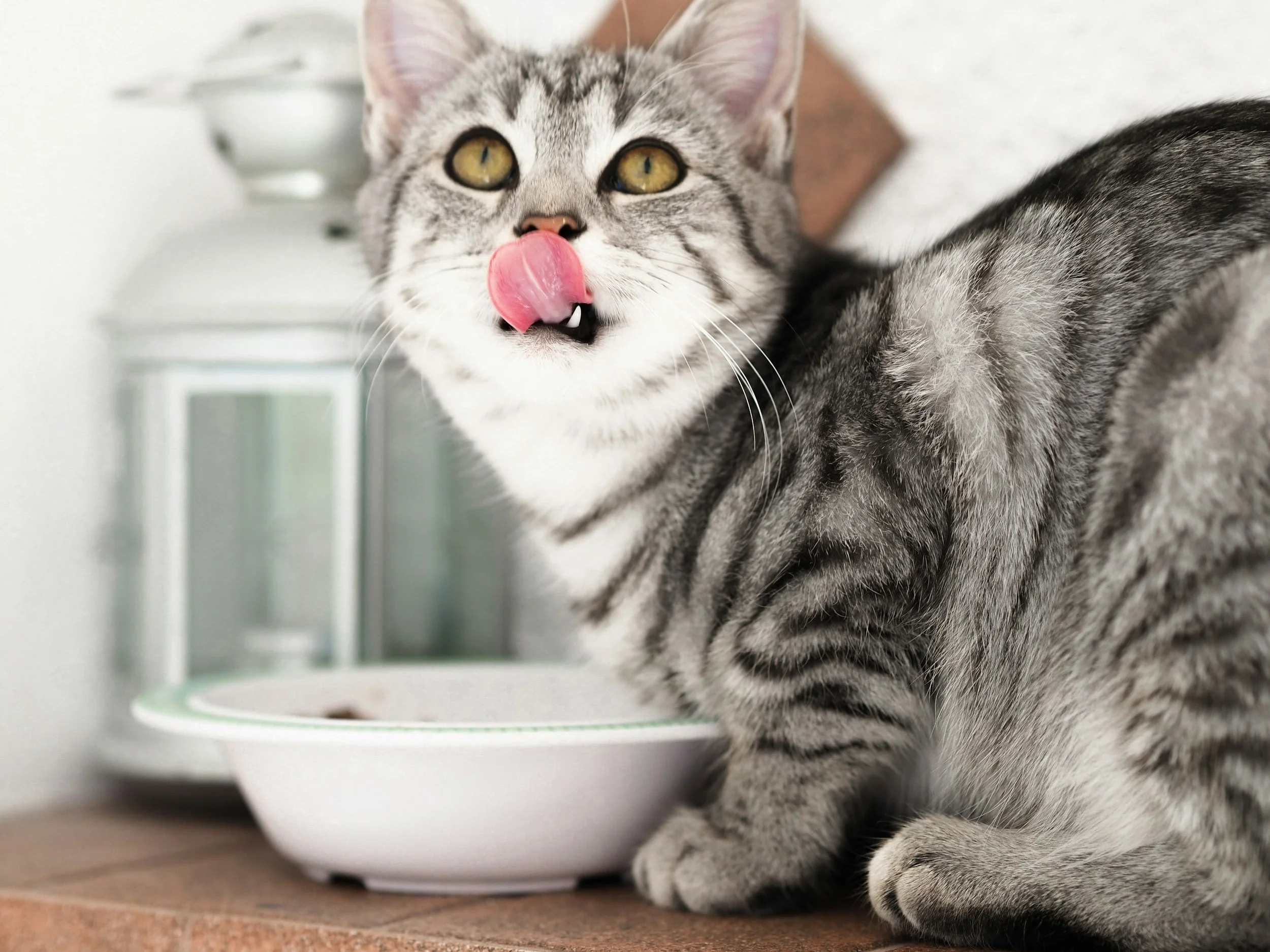
A GoodCat guide to creating a tidy, practical, and pretty place for your cat’s daily meals.
A cat feeding corner is one of those small home details that can make daily life feel calmer.
It does not need to be fancy. It does not need to look like a magazine. But when the bowls, mat, water, food storage, and little cleaning habits all work together, the whole area feels easier to live with.
For cats, a good feeding area should feel safe, clean, and comfortable. For humans, it helps when the setup is tidy, washable, and pleasant to look at every day.
The sweet spot is where practical cat care meets a home that still feels like yours.
In this guide
Choosing the right feeding spot
Cat bowls that are practical and pretty
Why bowl shape matters
Food mats and trays that keep things tidy
Water bowls and fountains
Food storage that looks calmer
Feeding corners for kittens, seniors, and multi-cat homes
1. Start with the location
Before choosing new bowls or a pretty mat, look at where your cat eats now.
A good feeding spot should be easy for your cat to access, easy for you to clean, and not too close to the litter box. Cats often prefer some separation between their food, water, and bathroom areas.
Good places might include:
a quiet kitchen corner
a low-traffic dining room spot
a calm mudroom or laundry area, if it is not too noisy
a small nook near a cabinet
a peaceful corner away from dogs or busy foot traffic
a place where your cat can eat without feeling trapped
Try to avoid placing bowls right beside loud appliances, swinging doors, busy hallways, or anything that may startle your cat while eating.
GoodCat Tip
Choose a feeding spot that feels calm to your cat and easy to clean for you.
2. Think about your cat’s comfort first
Pretty bowls are lovely, but comfort matters more.
Some cats are sensitive about how their whiskers touch the sides of a bowl. Some prefer wide, shallow dishes. Some eat better from a slightly raised bowl. Others are perfectly happy with a simple low dish.
Pay attention to your cat’s habits:
Do they pull food out of the bowl before eating?
Do they seem hesitant at the bowl?
Do they eat from the center and leave food around the edges?
Do they prefer plates or shallow dishes?
Do they tip lightweight bowls over?
Do they make a mess because the bowl is too small or deep?
Your cat does not need a trendy setup. They need one that lets them eat comfortably.
3. Choose safe, easy-to-clean bowl materials
For everyday feeding, choose bowls that are easy to wash and keep sanitary.
Common good options include:
stainless steel
ceramic
glass
Plastic bowls can be lightweight and inexpensive, but they may scratch more easily and can hold odors or residue over time. Some cats also seem to do better without plastic bowls, especially if they are prone to chin irritation.
Ceramic bowls can be beautiful and stable, but make sure the glaze is food-safe and the bowl is not cracked or chipped. Stainless steel is practical, durable, and easy to clean. Glass can also be simple and hygienic if it is sturdy and placed safely.
Whatever material you choose, wash bowls regularly. A pretty bowl still needs to be a clean bowl.
GoodCat Tip
The best cat bowl is comfortable, stable, and easy to wash.
4. Keep bowl shape simple
Bowl shape matters more than many people realize.
Deep, narrow bowls may make some cats uncomfortable because their whiskers brush the sides. Very lightweight bowls may slide around. Decorative bowls with complicated shapes can be harder to clean.
For many cats, a good bowl is:
wide
shallow
stable
smooth
easy to wash
not too lightweight
A shallow dish or low bowl often works well for wet food. Dry food may work in a slightly deeper bowl, but still should be easy for the cat to reach.
If your cat is older, has mobility issues, or seems uncomfortable bending down, a slightly elevated dish may help. If your cat has a medical condition, digestive issue, or special feeding need, ask your veterinarian what setup is best.
5. Use a mat or tray to define the feeding area
A mat or tray can make the feeding corner look more intentional and make cleanup easier.
It catches crumbs, water splashes, and bits of food. It also visually says, “This is the cat’s little dining area,” instead of making bowls look randomly placed on the floor.
Good options include:
a washable silicone mat
a low-profile feeding mat
a small tray
a washable rug or flat mat
a waterproof placemat
a mat that matches your floor or cabinets
Choose something that is easy to wipe or wash. If your cat tends to drag food around, choose a slightly larger mat. If space is tight, a small tray may be enough.
GoodCat Tip
A simple mat can turn scattered bowls into a tidy little feeding corner.
6. Make water easy and appealing
Cats can be particular about water.
Some cats happily drink from a bowl. Some prefer a fountain. Some like their water away from their food. Some insist that the best water in the house is in a human glass that was not offered to them.
To encourage drinking, consider:
a clean water bowl
a wider water dish
fresh water changed daily
a cat water fountain
placing water away from food
offering more than one water station
choosing a quiet spot away from litter
If you use a fountain, keep it cleaned and maintained. A fountain is only helpful if it stays fresh and sanitary.
For a pretty feeding area, look for a fountain or water bowl in a neutral color, ceramic finish, stainless steel, white, pale blue, or another shade that fits your room.
7. Keep food storage calm and practical
Cat food storage can easily become visual clutter: bags, cans, scoops, boxes, and treat packages all living in slightly different places.
A simple storage system helps.
Depending on what you feed, you might use:
an airtight food container
a cabinet shelf
a small basket for cans or pouches
a ceramic treat jar
a labeled bin
a scoop stored inside or nearby
a tray for daily feeding supplies
Dry food should be stored in a way that keeps it fresh and protected. If you pour food into another container, make sure the container is clean and food-safe. Some people prefer keeping dry food in its original bag inside an airtight container so the food information and lot number are still available.
Treats can go in a small jar or basket if that fits your home, but keep them sealed and safely away from curious paws.
GoodCat Tip
Pretty storage is only helpful if it keeps food fresh, clean, and easy to use.
8. Make the feeding corner fit your room
A feeding corner can be pretty in a quiet, practical way.
Look at the colors and textures already in the room. Then choose bowls, mats, and storage that feel connected to that space.
GoodCat-style ideas:
white ceramic bowls on a pale blue mat
stainless steel bowls on a simple gray tray
cream bowls near a natural woven basket
a sage green mat in a kitchen with plants or wood tones
a ceramic treat jar on a nearby shelf
a small tray that matches cabinet hardware
a washable mat that blends into the floor
The setup does not need to be decorative. It just needs to look deliberate.
A calm feeding area can make the whole room feel tidier.
9. Think about multi-cat feeding
If you have more than one cat, feeding can get complicated.
Some cats share peacefully. Others steal food, guard bowls, eat too quickly, or feel nervous when another cat is nearby. In multi-cat homes, separate feeding spots may be more comfortable than one shared station.
You may need:
separate bowls
more space between feeding spots
feeding in different rooms
timed meals instead of free-feeding
microchip feeders for special diets
raised or protected spots for cats who need privacy
supervision if one cat steals from another
A beautiful feeding corner is nice, but each cat’s comfort and health matter more than symmetry.
GoodCat Tip
In a multi-cat home, peaceful eating may matter more than one perfectly styled feeding station.
10. Consider kittens, seniors, and special needs
Different cats may need different feeding setups.
Kittens may need bowls that are low, stable, and hard to tip. Senior cats may appreciate easy access, non-slip mats, slightly raised dishes, or feeding areas closer to where they spend time. Cats with medical conditions may need special dishes, measured meals, or separate feeding routines.
Think about:
bowl height
bowl stability
whether the cat can reach comfortably
whether the mat slips
whether the feeding spot is near stairs or obstacles
whether other pets interfere
whether the cat needs privacy
If your cat has dental problems, digestive concerns, kidney disease, diabetes, food allergies, weight issues, or other health needs, your veterinarian should guide feeding decisions.
11. Keep the area clean without making it fussy
A feeding corner is used every day, so it should be easy to maintain.
A simple routine can help:
wash food bowls daily
refresh water often
wipe the mat or tray
clean fountains as directed
sweep crumbs or litter dust nearby
check for ants or pests
throw away old wet food promptly
keep food bags and cans organized
The easier the setup is to clean, the more likely it is to stay pleasant.
This is another reason simple usually wins.
12. Know when practical should beat pretty
Sometimes the best feeding setup is not the most beautiful one.
A cat who eats too fast may need a slow feeder. A cat with arthritis may need a raised dish. A cat on a prescription diet may need a separate feeding area. A messy eater may need a larger mat. A nervous cat may need privacy more than a perfectly styled corner.
Good design begins with the cat in front of you.
If the pretty bowl is uncomfortable, choose the plain one. If the lovely mat slides around, replace it. If the gorgeous fountain is hard to clean, it may not be the right fountain.
GoodCat Tip
The prettiest feeding corner is the one that helps your cat eat and drink comfortably.
13. A feeding corner is part of daily care
Feeding a cat is an everyday act of love.
You fill the bowl. You wash the dish. You refresh the water. You notice who is eating more, who is eating less, who is waiting politely, and who believes dinner is already late even when it is not.
A good feeding corner supports those daily rhythms. It keeps things cleaner, calmer, and easier to notice.
It also gives your cat a predictable place where good things happen.
That matters.
Final thoughts
Beautiful cat bowls, mats, and feeding corners are not about creating a perfect little display.
They are about making daily care easier, cleaner, and more comfortable for both you and your cat.
Start with the right location. Choose bowls that are safe and easy to wash. Add a mat or tray to define the space. Keep water fresh. Store food in a way that stays clean and practical. Then choose colors and textures that feel at home in your room.
A feeding corner can be simple and still feel lovely.
At GoodCat, we believe cat homes can be practical, pretty, and full of small daily kindnesses — including the little corner where breakfast, dinner, and very serious snack negotiations happen.
Every cat is a GoodCat.